Smart & Sustainable: Optimising Commercial Autonomous Cleaning in Australia
In an era where operational efficiency meets environmental responsibility, commercial autonomous cleaning in Australia is no longer just about cost savings—it’s about unlocking a new paradigm of verifiable sustainability and operational excellence. Explore how smart automation is redefining facility management.
The true cost of cleaning extends far beyond a paycheque. It encompasses wasted resources, inconsistent outcomes, and the unseen environmental footprint. In Australia, forward-thinking facility and operations managers are now looking past the mop and bucket to a future where cleaning is precise, predictable, and profoundly sustainable.
Key Takeaways
- Autonomous cleaning robots significantly reduce water and chemical consumption through precision dosing and recycling systems.
- Consistent, data-driven cleaning eliminates human variability, ensuring optimal hygiene and verifiable operational efficiency.
- Automating routine tasks frees up labour, allowing staff reallocation to higher-value responsibilities and improving overall facility operations.
For too long, commercial cleaning has been viewed as a necessary expenditure, often subject to the vagaries of human performance and the limitations of traditional methods. But in a competitive landscape, every operational input matters – from labour allocation to water consumption. The demand for cleaner, safer, and more environmentally responsible facilities has never been greater, pushing industries from retail to logistics to rethink their approach.
The Silent Drain: Resource Inefficiency in Traditional Cleaning
Consider the average manual cleaning operation. It's often characterised by estimates, not exact measurements. How much water is truly used? How much chemical concentrate goes into each bucket, and is it always the optimal dilution? The reality is that manual processes, while flexible, are inherently prone to inconsistency. This translates directly to:
- Excessive Water Use: Traditional floor scrubbers, or even mops, can use significantly more water than necessary. Overflowing tanks, inefficient rinse cycles, and uneven application all contribute to avoidable waste.
- Chemical Overload: Eyeballed chemical dosing is a common culprit for overuse. This not only increases purchasing costs but also contributes to greater environmental impact through chemical runoff and potential residue build-up.
- Inconsistent Coverage: Human fatigue, distraction, or simply varying work styles mean that certain areas might be missed, over-cleaned, or inadequately treated, leading to fluctuating hygiene standards and the need for re-cleaning.
- Unquantifiable Outcomes: Without precise data, it’s challenging to measure cleaning efficacy or prove adherence to sustainability targets. This lack of transparency undermines efforts to optimise return on investment.
These inefficiencies aren't just minor irritations; they represent tangible costs and missed opportunities for a truly high-performance facility.
Shifting Gears: Precision and Performance with Autonomous Cleaning
Enter the era of commercial autonomous cleaning Australia. This isn't just about replacing a person with a machine; it's about introducing a level of precision, consistency, and data-driven intelligence that manual processes simply cannot match. Think of it less like swapping a bicycle for a car, and more like upgrading from a manual transmission to a high-performance, self-driving electric vehicle – every action is optimised for efficiency and impact.
Modern autonomous cleaning robots, such as Gausium-class platforms, are engineered from the ground up to address the very inefficiencies that plague traditional cleaning. These machines don't just clean; they manage resources with meticulous care.
The Triple Win: Water, Chemicals, and Verifiable Repetition
The core of sustainable cleaning lies in doing more with less, without compromising on outcomes. Autonomous cleaners deliver this on three critical fronts:
- Water Optimisation: These robots are designed with sophisticated water management systems. They employ precise dispensing mechanisms, ensuring that only the necessary amount of water is used for optimal cleaning. Many advanced models also feature multi-stage filtration and recycling systems, allowing dirty water to be filtered and reused within the cleaning cycle. This dramatically reduces overall water consumption, a significant advantage in water-conscious regions across Australia, from arid Perth to bustling Melbourne.
- Chemical Reduction: The days of guessing chemical dilutions are over. Autonomous scrubbers are equipped with integrated dosing systems that accurately mix water and cleaning agents to the exact ratios required. This precision prevents overuse, which not only lowers chemical purchasing costs but also minimises environmental impact and ensures no chemical residue is left behind. It’s about achieving maximum cleaning power with minimal chemical footprint.
- Measurable, Consistent Repetition: This is where automation truly shines. Programmed cleaning routes ensure every square metre of a facility is covered to the same exacting standard, every single time. There are no skipped corners, no missed aisles, and no areas receiving insufficient attention. The robot follows its precise path, executing the cleaning protocol with unwavering consistency. This leads to higher, more uniform hygiene levels and eliminates the need for re-cleaning, conserving both resources and labour.
Beyond these immediate benefits, autonomous cleaning systems provide invaluable operational data. Facility managers gain access to reports on cleaning coverage, water usage, chemical consumption, and operational time. This data transforms cleaning from a black box expense into a transparent, optimisable process, providing verifiable proof of sustainability efforts and enabling continuous improvement in facility operations.
A Real-World Scenario: Transforming a Logistics Hub in Perth
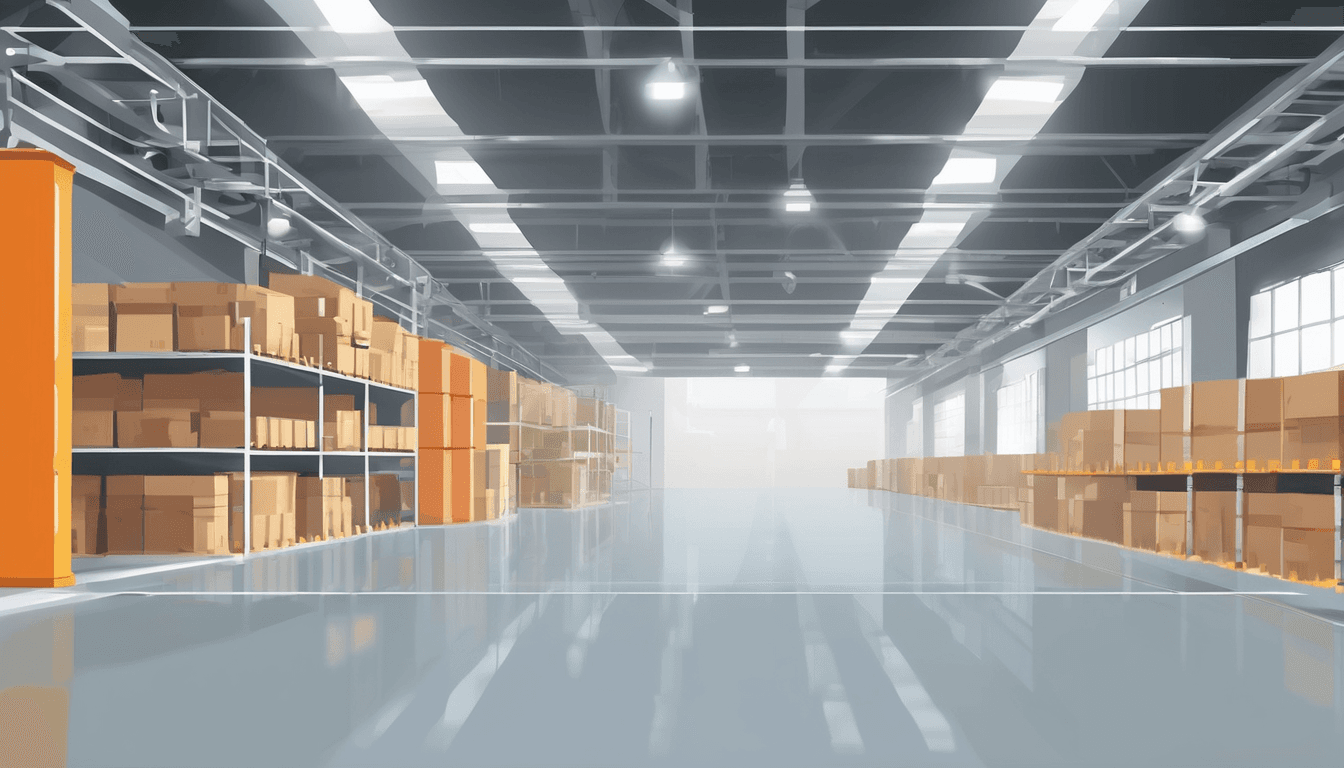
Imagine a vast logistics distribution centre on the outskirts of Perth. Faced with acres of flooring to maintain, the operations manager was battling high labour costs, inconsistent cleaning quality, and growing pressure to demonstrate environmental responsibility. Traditional walk-behind scrubbers required constant supervision, and the sheer scale meant cleaning was often a never-ending cycle of catching up.
By integrating a fleet of commercial autonomous cleaning robots, the facility saw a rapid transformation. The robots systematically cleaned during off-peak hours, ensuring pristine floors by the start of each shift. Water consumption dropped by a noticeable margin thanks to the robots' efficient recycling systems, and chemical spend was reined in through precise dosing. The consistent coverage also meant fewer slip hazards and a generally safer, more hygienic environment. The human cleaning team, no longer tied to repetitive floor cleaning, was redeployed to focus on high-touch areas, sanitisation protocols, and specialised cleaning tasks, significantly elevating the overall standard of cleanliness and optimising labour resources. This strategic shift not only delivered a tangible ROI but also bolstered the centre's sustainability credentials.
Robotec: Your Partner in Australian Cleaning Automation
Embracing autonomous cleaning isn't just a technological upgrade; it's a strategic decision to enhance efficiency, sustainability, and operational control. Robotec is the official distributor of Gausium automated cleaning robots in Australia, based in Melbourne and supporting sites nationwide through Purchase, Lease, and RaaS (Robotics-as-a-Service). We understand the unique challenges faced by Australian businesses, from large-scale retail environments to expansive industrial warehouses and corporate workspaces. Our solutions offer the flexibility to acquire the right technology, whether through outright purchase, a structured lease, or a convenient, subscription-based RaaS model that minimises upfront capital expenditure.
The future of facility cleaning automation is clean, efficient, and unequivocally sustainable. It’s about leveraging advanced robotics not just to sweep and scrub, but to build smarter, greener, and more resilient operations across Australia.