Optimising Hospital Hygiene: The Power of Commercial Cleaning Automation in Brisbane
In healthcare, pristine hygiene isn't just a preference—it's paramount. The demand for consistent, verifiable cleanliness, especially in high-traffic areas like hospital floors and during critical terminal cleaning windows, presents significant challenges for facility operations. This is where the strategic integration of commercial cleaning automation in Brisbane is reshaping expectations.
In healthcare, pristine hygiene isn't just a preference—it's paramount. The demand for consistent, verifiable cleanliness, especially in high-traffic areas like hospital floors and during critical terminal cleaning windows, presents significant challenges for facility operations. This is where the strategic integration of commercial cleaning automation in Brisbane is reshaping expectations.
As healthcare environments in Australia, from bustling general hospitals to specialised clinics, face mounting pressure to maintain impeccable standards with finite resources, the conversation inevitably turns to smarter, more reliable solutions. Manual processes, while essential, often fall short of delivering the unwavering consistency required, leading to potential risks and inefficiencies.
Key Takeaways
- Autonomous robots guarantee superior, auditable hygiene standards in sensitive environments.
- Automation frees up human labour for critical, high-touch disinfection tasks.
- Strategic deployment optimises cleaning during tight terminal windows and off-peak hours.
The Criticality of Hospital Hygiene: Beyond Manual Limits
Maintaining hospital floor hygiene is a non-negotiable aspect of patient safety and infection control. Traditional cleaning methods, reliant on human teams, are susceptible to variability. Fatigue, inconsistent technique, and the sheer scale of modern healthcare facilities mean that even the most dedicated staff can struggle to achieve uniform, verifiable cleanliness across vast areas.
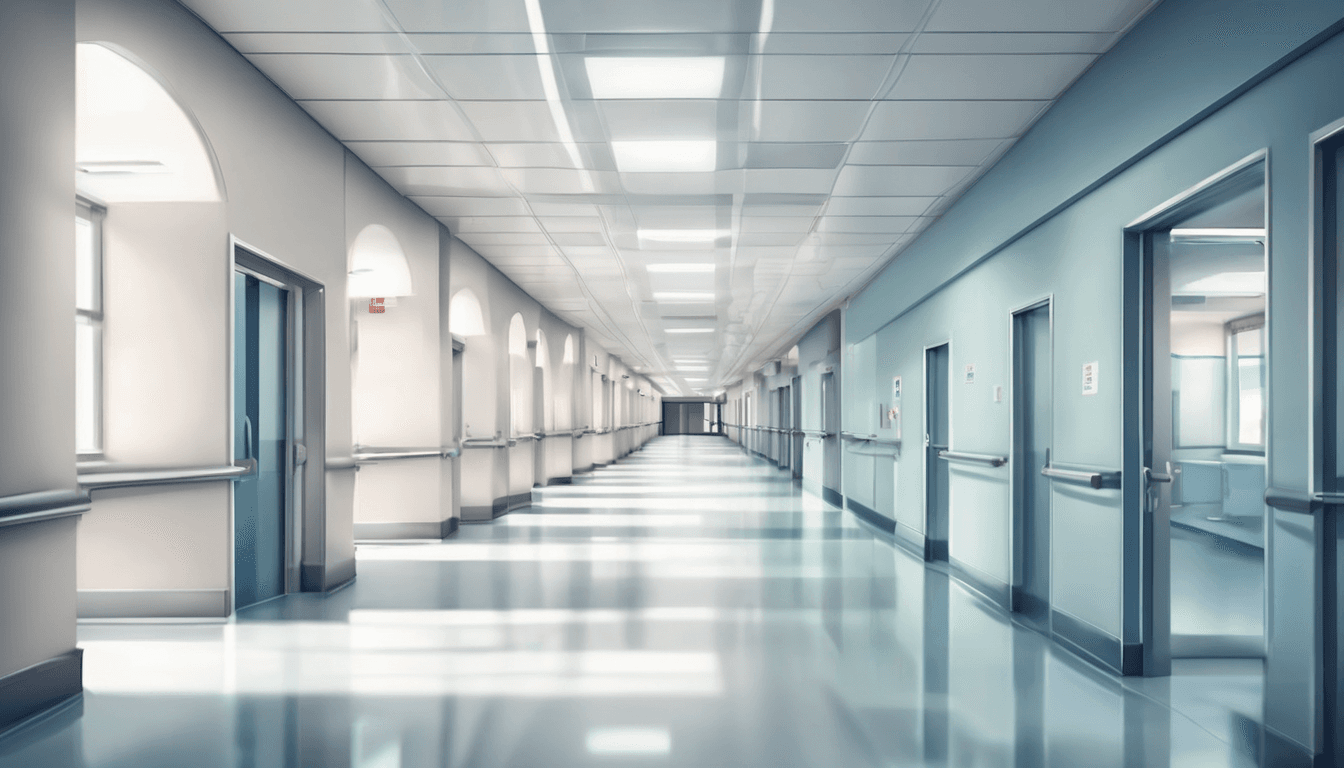
Consider the daily operational rhythm of a hospital in Brisbane. Floors endure constant foot traffic, spills are inevitable, and the expectation for a sterile environment remains absolute. Manual cleaning teams are often stretched thin, particularly when tackling stringent terminal cleaning windows – those critical, time-sensitive periods between patient occupancy where a room must be thoroughly disinfected and prepared for the next.
This operational tightrope highlights a fundamental problem: a growing gap between escalating hygiene demands and the limitations of traditional labour-intensive methods. Relying solely on manual processes for comprehensive floor care in a dynamic hospital environment isn't merely inefficient; it introduces an unacceptable degree of risk.
The Shift to Autonomous Precision in Facility Operations
The solution isn't to replace human skill, but to augment it with technology that excels where humans are less consistent. This is the compelling case for commercial cleaning automation. Modern autonomous cleaning robots, such as Gausium-class platforms, are engineered for precise navigation and obstacle avoidance, making them ideal for complex, ever-changing environments like hospitals.
Imagine a high-performance vehicle, meticulously engineered to navigate a challenging track with unwavering precision. This is the equivalent operational leverage that autonomous scrubbers bring to hospital floor hygiene. They don't just clean; they execute programmed routes with exactitude, ensuring every square metre is treated to the same high standard, every single time.
This shift isn't just about efficiency; it's about elevating the entire standard of facility operations. By embracing robotics, facilities in Brisbane, Perth, and Sydney are moving towards a future where cleaning is not a variable cost centre, but a predictable, high-performing service that underpins the core mission of healthcare: safety and wellness.
Unlocking Operational Excellence: The Core Benefits
Integrating autonomous cleaning robots offers profound advantages that resonate directly with the operational goals of healthcare facilities.
Consistency & Verifiable Standards
One of the most significant benefits of automation is unwavering consistency. Unlike human operators, robots don't get tired or distracted. They follow predefined routes and apply cleaning solutions and scrubbing power uniformly, ensuring a consistently high level of hospital floor hygiene. This is particularly crucial for infection control protocols, where any deviation in cleaning quality can have serious ramifications.
Furthermore, Gausium robots come equipped with advanced data reporting capabilities. Facility managers gain invaluable insights into cleaning coverage, battery usage, and operational efficiency. This data provides an auditable trail, allowing hospitals to demonstrate compliance with hygiene standards and continuously optimise their cleaning strategies for maximum effectiveness.
Strategic Labour Redeployment & ROI
The narrative isn't about cutting staff, but about optimising precious labour resources. Autonomous cleaning robots handle the repetitive, physically demanding tasks of floor scrubbing, freeing up human cleaning staff to focus on critical, high-touch disinfection areas, patient interaction, and specialised terminal cleaning procedures that still require human dexterity and judgment. This strategic redeployment of labour not only improves overall hygiene outcomes but also enhances job satisfaction for staff, moving them from mundane tasks to more impactful roles.
The return on investment (ROI) for commercial cleaning automation extends beyond direct labour cost savings. It encompasses reduced chemical usage, extended floor life, and most importantly, a decrease in healthcare-associated infections (HAIs) – a benefit with immeasurable value. With flexible procurement options like Purchase, Lease, and RaaS (Robotics-as-a-Service), implementing these solutions is more accessible than ever, allowing facilities to align investment with operational budgets.
Optimising Terminal Cleaning Windows
Terminal cleaning windows demand speed, thoroughness, and often occur during off-peak hours. Autonomous cleaning robots excel in these scenarios. They can be scheduled to operate efficiently and independently during the quietest times, ensuring thorough floor treatment without disrupting patient care or staff activities. This capability dramatically streamlines the patient room turnover process, contributing to greater operational flow and potentially higher bed utilisation rates.
A Real-World View: Elevating Care in Queensland
Consider a large medical centre in Brisbane with multiple wards and diagnostic areas. The manual cleaning team previously faced the daily challenge of maintaining spotless floors across extensive corridors, waiting areas, and consultation rooms, all while navigating peak visiting hours. Terminal cleaning in patient rooms was a constant race against the clock, often requiring staff to work late shifts to prepare rooms for incoming patients.
By implementing commercial cleaning automation, the centre saw a transformative shift. Autonomous scrubber-sweepers were deployed to handle routine floor maintenance in public areas during the night, ensuring pristine conditions by morning. During the day, these robots could focus on specific zones, allowing human staff to concentrate on vital disinfection of high-touch surfaces, restrooms, and preparing for and executing the intricate tasks within terminal cleaning windows.
This integration delivered a dual benefit: consistently higher levels of hospital floor hygiene and a more efficient allocation of human resources. Robotec is the official distributor of Gausium automated cleaning robots in Australia, based in Melbourne and supporting sites nationwide through Purchase, Lease, and RaaS, providing Australian healthcare facilities with access to these advanced, reliable solutions.
The Future of Clean is Automated, Precise, and Australian-Led
The journey towards smarter facility operations in Australian healthcare is well underway. Commercial cleaning automation, particularly in sensitive environments like hospitals, is not merely an upgrade; it's a strategic imperative. It's about achieving unprecedented levels of hygiene consistency, optimising valuable labour, and ensuring that crucial tasks like terminal cleaning are executed with precision and efficiency.
The investment in autonomous cleaning robots is an investment in patient safety, operational resilience, and the future of healthcare facility management. For those overseeing the critical task of maintaining impeccable standards across Australia, from a Brisbane hospital floor to a Sydney aged care facility, the path to a cleaner, safer, and more efficient environment is clear: embrace intelligent automation.