Optimising Hospital Floor Hygiene with Autonomous Industrial Cleaning Robots in Australia
Australian hospitals are adopting autonomous industrial cleaning robots to achieve consistent, high-standard floor hygiene, crucial for infection control and efficient operations.
Direct answer: Autonomous industrial cleaning robots in Australia significantly improve hospital floor hygiene by delivering consistent, high-standard cleaning outcomes. These machines free up human staff from routine tasks, allowing them to focus on critical terminal cleaning windows and detailed disinfection, directly supporting stringent infection control protocols and optimising facility operations without compromising safety.
Key takeaways:
- Autonomous robots ensure consistent, verifiable floor hygiene, essential for hospital infection control.
- Deploying these machines allows human teams to concentrate on high-value, critical cleaning tasks.
- Robust compliance with Australian WHS standards is a key consideration for safe deployment.
Australia’s healthcare sector faces unique challenges in maintaining impeccable hygiene standards, particularly in hospitals where infection control is paramount. The demand for consistent, verifiable floor cleanliness often conflicts with labour shortages and the need to maximise efficiency within tight operational windows. This is where the integration of an autonomous industrial cleaning robot in Australia offers a transformative solution.
Traditional manual cleaning methods, while essential, can vary in consistency due to human factors, fatigue, and the sheer scale of modern healthcare facilities. This variability poses a significant risk in environments where even minor inconsistencies can have profound impacts on patient safety and recovery. Facilities in major hubs like Adelaide and Melbourne are increasingly exploring advanced solutions to meet these rigorous demands.
The Critical Role of Consistent Floor Hygiene in Hospitals
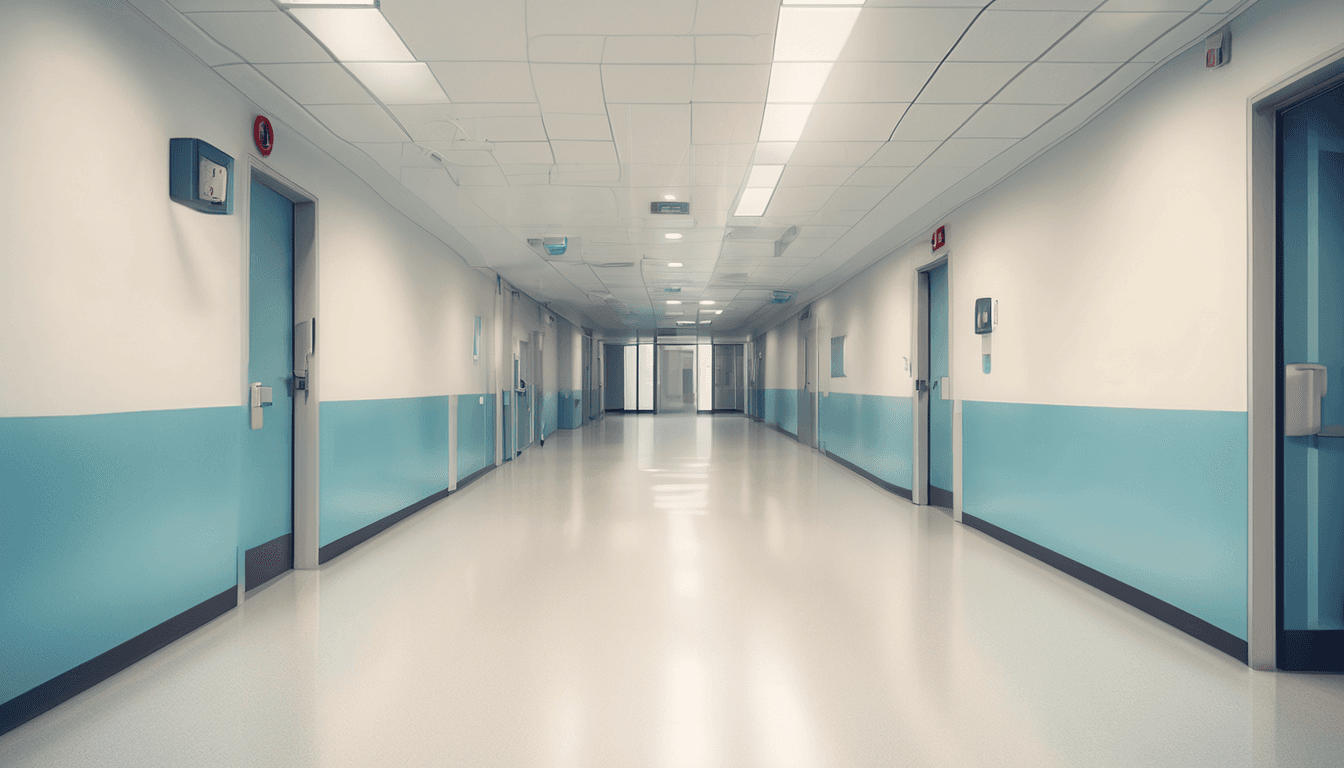
Hospital environments require more than just visually clean floors; they demand a clinically hygienic standard. Pathogens can reside on surfaces, contributing to healthcare-associated infections (HAIs). Maintaining a consistent cleaning regimen across all floor types - from hard-surface corridors and wards to carpeted administrative areas - is fundamental to breaking the chain of infection transmission.
Autonomous cleaning robots address this directly. Unlike human operators, a robot’s cleaning path, pressure, and solution dosage remain perfectly consistent across every cycle. This ensures that every square metre is treated identically, removing the variability inherent in manual processes. For facilities striving for excellence in infection prevention, this consistency is an invaluable asset.
Supporting Terminal Cleaning Windows
One of the most impactful applications of autonomous cleaning in hospitals is its ability to support and optimise critical terminal cleaning windows. These are periods when a patient room is thoroughly cleaned and disinfected after discharge, preparing it for the next occupant. These windows are often tight, and the process is labour-intensive, requiring meticulous attention to detail from human staff.
By delegating routine floor maintenance in common areas, corridors, and less critical zones to autonomous robots, human cleaning teams gain precious time. This reallocation allows them to dedicate their full focus and expertise to terminal cleaning, high-touch point disinfection, and areas requiring human judgment and dexterity. The result is a more efficient overall cleaning operation, where human skill is applied where it matters most, and consistent floor hygiene is maintained everywhere else.
Enhanced Operational Efficiency and Resource Optimisation
The Australian B2B sector, including healthcare, is actively seeking solutions to address ongoing labour challenges. Autonomous industrial cleaning robots provide a direct answer by augmenting existing workforces, not replacing them entirely. These robots can operate during off-peak hours, overnight, or continuously during the day, reducing the strain on human teams.
Consider a large public hospital in Melbourne, for instance. Deploying a fleet of Gausium autonomous scrubbers like the Scrubber 50 for main hard-floor areas and Phantas for multi-functional cleaning in tighter spaces, means that expansive corridors and communal areas are consistently maintained. This allows human staff to focus on critical tasks in operating theatres, patient rooms, and specialist wards, where human oversight and detail work are indispensable.
The operational data generated by these robots also contributes significantly. Facility managers gain insights into cleaning coverage, schedules, and performance, which can be used to further optimise resource allocation and demonstrate due diligence for auditing purposes. As an authorised Australian partner for Gausium, Robotec runs from Melbourne and helps organisations deploy autonomous cleaning with Purchase, Lease, or RaaS options, providing flexibility to align with varying budgets and operational models.
| Deployment Model | Key Benefit | Ideal for |
|---|---|---|
| Purchase | Full asset ownership, long-term ROI | Large organisations with capital budget, predictable long-term needs |
| Lease | Fixed monthly costs, access to new tech, maintenance included | Budget-conscious facilities, desire for latest models without upfront cost |
| RaaS (Robotics-as-a-Service) | Subscription model, maximum flexibility, minimal commitment | Rapid deployment, scalability, testing automation, OPEX preference |
Safety and Compliance in Australian Workplaces
Integrating advanced technology into any Australian workplace demands strict adherence to safety and compliance standards. The Work Health and Safety (WHS) Act 2011 (Cth) and state-based regulations mandate that Persons Conducting a Business or Undertaking (PCBUs) ensure the health and safety of workers and others. Autonomous industrial cleaning robots are designed with these requirements in mind.
Gausium robots, for example, incorporate advanced navigation, obstacle detection, and emergency stop features, often aligning with international safety requirements like EN IEC 63327 for autonomous commercial floor treatment machines. This standard sets clear benchmarks for safe operation around people and within complex environments. Operators deploying these machines in Australian hospitals must maintain documented risk assessments, training records, and maintenance logs to demonstrate their commitment to safety, supporting procurement and auditing requirements.
The Scrubber 50, a mid-size dedicated autonomous floor scrubber, is a prime example for hospital hard floors. It offers consistent scrubbing, supporting spot cleaning and 5-stage filtration for enhanced hygiene. For areas with low-pile carpets, the Vacuum 40 provides quiet, dry-only autonomous vacuuming, ensuring clean surfaces without wet processes. For more versatile operations in tighter corridors and patient rooms, the multi-functional Phantas can scrub, sweep, vacuum, and dust-mop on both hard floors and low-pile carpet, navigating tight spaces and lifts with ease.
A Look at Future-Proofing Facility Operations
The adoption of autonomous industrial cleaning robot Australia wide is more than just a trend; it's a strategic move towards future-proofing facility operations. For sectors like healthcare, where hygiene standards are non-negotiable and efficiency is always under scrutiny, these robots offer a scalable, reliable, and measurable solution.
By consistently delivering on hygiene outcomes, optimising labour resources, and providing auditable data, autonomous cleaning robots become integral to a modern facility management strategy. They allow organisations to adapt to evolving demands, maintain high standards under pressure, and ultimately, contribute to safer and healthier environments for patients and staff alike. Investing in these solutions ensures that Australian hospitals remain at the forefront of operational excellence and infection control.
To explore how autonomous cleaning can benefit your facility, consider a free consultation with Robotec. You can also review our range of Gausium autonomous robots or delve deeper into calculating your potential ROI.