Optimising 24/7 Cleaning: Deploying a Commercial Floor Scrubber in Sydney's Transport Hubs
Maintaining consistent cleanliness in Sydney's bustling transport hubs is a complex challenge. Autonomous commercial floor scrubbers offer a powerful solution, ensuring hygiene around the clock while optimising labour resources.
Direct answer: Deploying a commercial floor scrubber in Sydney's transport hubs, such as airports and major train stations, addresses the critical demand for 24/7 cleaning, ensuring consistent hygiene in high-traffic, hard-floor environments. Autonomous scrubbers enhance operational efficiency, reallocate labour, and provide verifiable cleanliness, meeting stringent public health and safety standards.
Key takeaways:
- Autonomous scrubbers ensure consistent, high-standard cleaning for 24/7 operations.
- They optimise cleaning labour by reallocating staff to specialised tasks.
- Commercial robots comply with Australian safety standards and provide performance data.
The Unrelenting Demand for Cleanliness in Sydney's Busiest Precincts
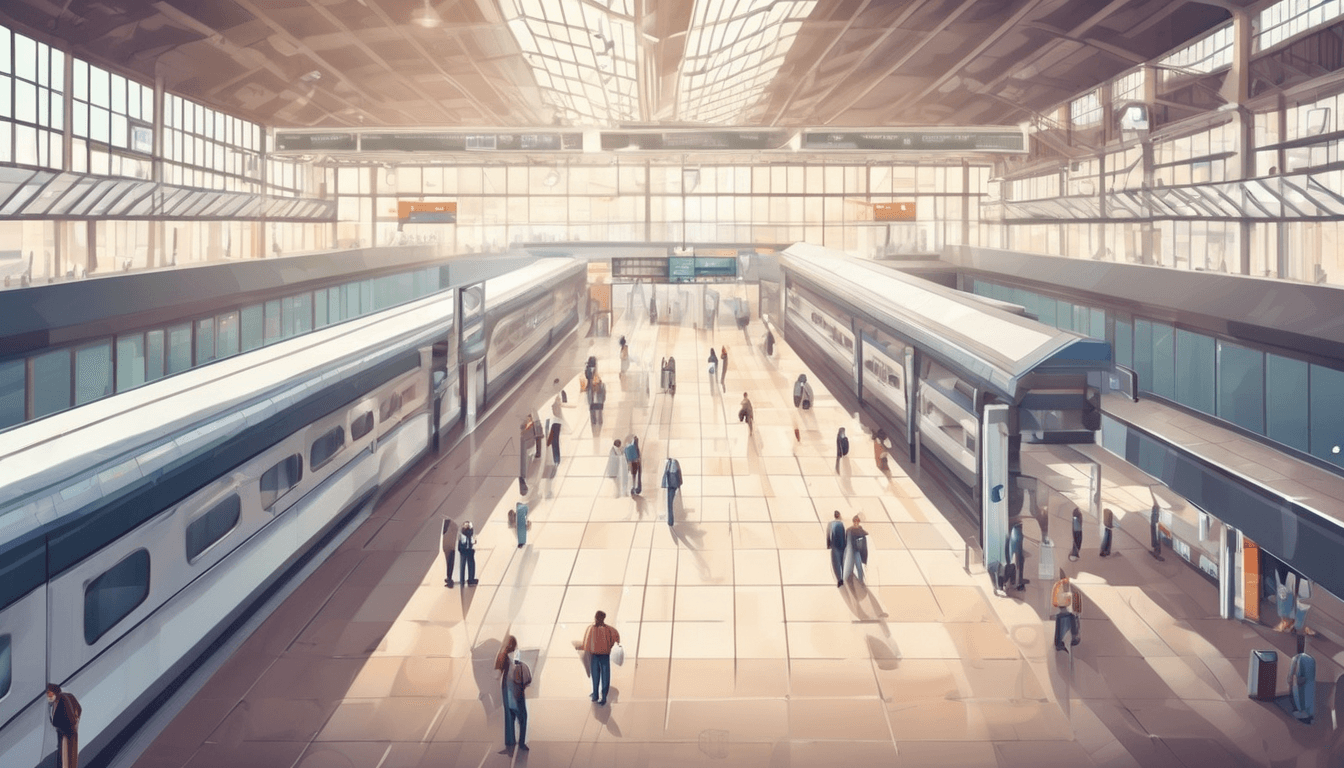
Sydney's transport hubs operate around the clock, processing millions of passengers annually. From the sprawling terminals of Sydney Airport to the central concourses of major train stations, these environments face immense pressure to maintain impeccable cleanliness and hygiene standards. The continuous flow of people means dirt, debris, and potential pathogens accumulate rapidly, requiring an equally continuous and effective cleaning strategy.
Traditional manual cleaning methods, while essential, often struggle to keep pace with this relentless demand, especially during peak hours. High labour costs and persistent staffing challenges further complicate the picture for facility managers and contract cleaning companies. The need for a solution that delivers consistent, verifiable cleaning performance without interruption has become paramount.
Autonomous Floor Scrubbers: A New Standard for Transport Hub Operations
This is where the power of an autonomous commercial floor scrubber becomes clear. These advanced machines are specifically designed to operate efficiently and safely in complex, high-traffic environments, providing a level of consistency and coverage that manual processes often cannot match. They are purpose-built for the hard floors prevalent in transport hubs, from polished concrete to various tiled surfaces.
Unwavering 24/7 Consistency and Enhanced Hygiene
One of the most significant advantages of autonomous scrubbers is their ability to perform high-quality cleaning continuously. Unlike human operators who require breaks and shift changes, autonomous machines can be scheduled to run throughout the day and night, ensuring that floors are consistently cleaned and disinfected.
For large, high-traffic areas such as major airports and extensive transport hubs, the Gausium Omnie provides premium autonomous scrubbing. This advanced platform, with optional sweeping and dust mopping of hard floors, ensures comprehensive coverage and sustained cleanliness. For mid-sized commercial sites and retail precincts within these hubs, the Gausium Scrubber 50 offers dedicated wet scrubbing for sustained hygiene, perfectly suited for continuous operation.
Optimising Labour Resources and Driving ROI
The deployment of autonomous scrubbers allows cleaning teams to reallocate staff from repetitive floor scrubbing tasks to high-touch point cleaning, specialised disinfection, and customer-facing roles. This strategic shift optimises labour resources, enhancing overall cleaning outcomes and improving team morale by focusing human effort where it adds the most value.
While the initial investment in automation requires consideration, the long-term Return on Investment (ROI) is substantial. Reduced labour hours dedicated to floor cleaning, consistent performance, and the ability to maintain higher cleanliness standards contribute to significant operational savings over time. Explore the potential savings for your operations with our ROI Calculator.
Prioritising Safety and Regulatory Compliance in Public Spaces
Safety is non-negotiable in public transport environments. Modern autonomous floor scrubbers are engineered with sophisticated sensor arrays, including 3D LiDAR and 360-degree vision, enabling them to detect and safely navigate around obstacles, people, and changing conditions. This human-aware behaviour is crucial for seamless integration into busy public spaces.
Autonomous cleaning equipment helps facilities meet Australian Work Health and Safety Act (WHS Act 2011) obligations by providing safe systems of work and reducing manual handling risks for cleaning staff. Furthermore, operators in regulated environments, such as airports and hospitals, frequently seek equipment compliant with international safety standards like EN IEC 63327. This standard specifies robust design for obstacle detection, emergency stops, and safe operation, signalling a commercial-grade autonomous solution.
Practical Application: A Sydney Transport Hub Scenario
Consider a busy train station in inner Sydney. Thousands of commuters pass through its concourses and platforms daily, depositing dirt and debris on hard floors. During peak hours, manual cleaning is challenging due to foot traffic. Off-peak, staff may be spread thin across various tasks.
An autonomous commercial floor scrubber could be scheduled to perform deep scrubbing during quieter overnight hours, removing grime and maintaining a high standard of cleanliness for the next day's surge. During the day, it could conduct 'top-up' cleaning in less congested zones or on a continuous loop, ensuring the floors remain presentable and hygienic. This system dramatically reduces the need for human operators to navigate crowded areas with heavy equipment, enhancing both safety and efficiency.
Such a deployment is not limited to Sydney. Facilities in Brisbane, Canberra, and other major Australian cities face similar challenges and stand to benefit from these advanced cleaning solutions.
Comparing Gausium Autonomous Scrubber Solutions for Transport
Choosing the right autonomous scrubber depends on the specific scale and complexity of your transport hub. Here's a brief comparison of two Gausium models suited for hard-floor commercial environments:
| Feature/Model | Gausium Scrubber 50 | Gausium Omnie |
|---|---|---|
| Best For | Mid-sized commercial sites, retail, airports | Large shopping centres, airports, extensive transport hubs |
| Operations | Dedicated scrubbing | Scrubbing, optional sweeping & dust mopping |
| Pass Width (Min) | ~800 mm | ~800 mm |
| Clean/Recovery Tanks | 30 L / 24 L | 33 L / 24 L |
| Key Advantage | Compact and efficient for frequent scrubbing | Premium capacity, multi-functionality for large areas |
Both models provide the consistent wet scrubbing capabilities essential for maintaining hygiene in these demanding environments, helping facilities meet the rigorous standards expected by the public and regulatory bodies.
The Future of Facility Cleaning in Australia
The challenges of labour availability and the increasing demand for verifiable hygiene will continue to shape the cleaning industry. Autonomous cleaning robots are not just a technological advancement; they represent a fundamental shift in how facility managers can achieve superior cleanliness outcomes efficiently and safely.
Robotec, headquartered in Melbourne, is an authorised Gausium dealer operating across Australia with flexible Purchase, Lease, and RaaS (Robot as a Service) delivery models. We provide tailored autonomous cleaning solutions, ensuring your facility benefits from the latest in cleaning automation. For a detailed consultation on how a commercial floor scrubber can transform your Sydney facility, contact us today or visit our autonomous robot solutions page.