How Autonomous Floor Scrubbers Work: Optimising Retail Cleaning in Australia
Autonomous floor scrubbers use advanced mapping and navigation to clean commercial hard floors efficiently. Learn how these robots manage wet cleaning and dirty water recovery to maintain high standards in busy Australian retail environments.
Direct answer: Autonomous floor scrubbers operate by first building a precise digital map of their environment using advanced sensors like 3D LiDAR. They then navigate this map autonomously, planning optimal cleaning paths and avoiding obstacles in real-time. These machines perform wet cleaning by dispensing water or solution, scrubbing floors with brushes, and immediately recovering the dirty water to leave surfaces dry and safe.
Key Takeaways:
- Autonomous scrubbers use advanced sensors for precise mapping and real-time navigation.
- They deliver consistent wet cleaning, scrubbing, and dirty water recovery in one pass.
- These systems enhance efficiency, safety, and hygiene standards for Australian retail.
The Challenge of Maintaining Retail Cleanliness in Australia
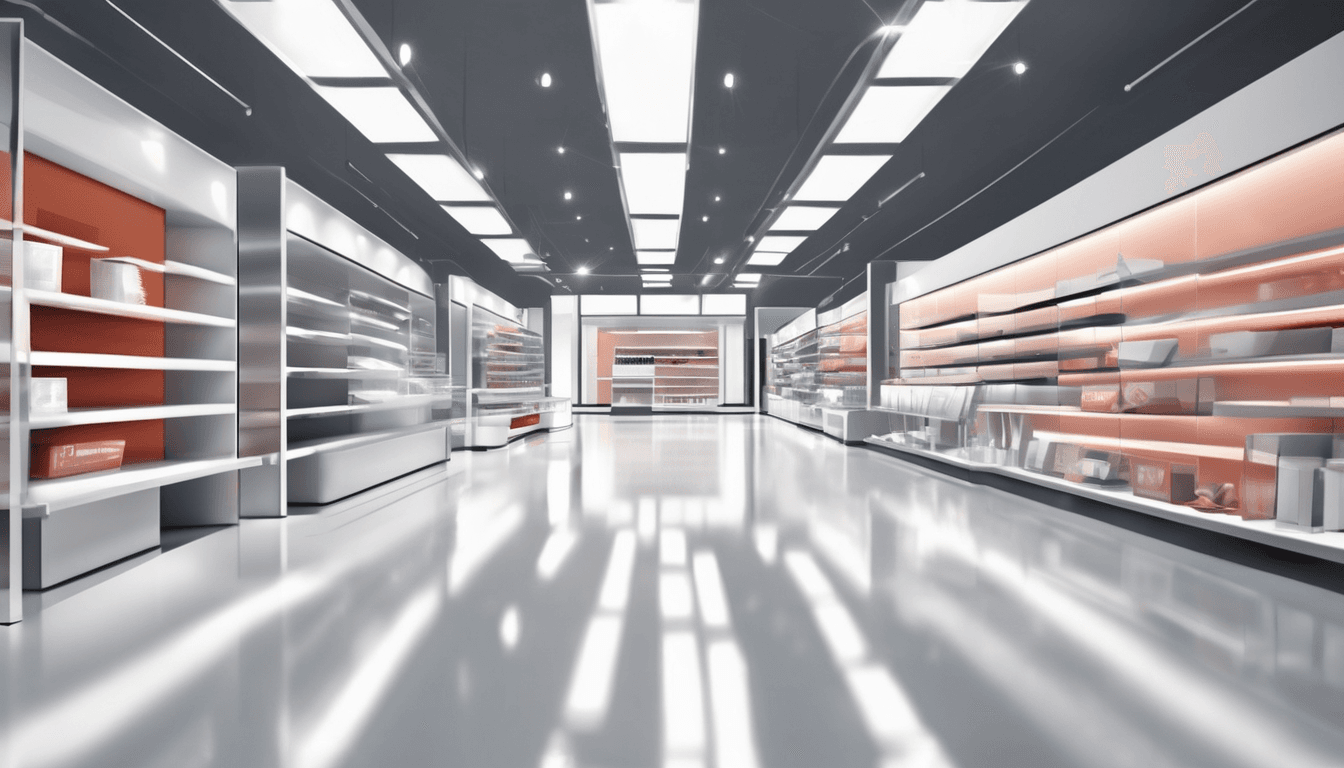
Australia's retail sector faces unique pressures when it comes to facility hygiene. Extended trading hours, particularly in large shopping centres and supermarkets, mean that floors are under constant foot traffic. This continuous flow of customers puts immense pressure on facility managers to maintain impeccable cleanliness, ensuring both an inviting environment and critical safety standards for visitors and staff.
Traditional manual cleaning methods often struggle to keep pace with these demands. Relying solely on human teams for routine floor maintenance can lead to inconsistencies, especially during peak hours. Furthermore, the shrinking cleaning windows, particularly overnight, highlight the need for flexible and efficient solutions that can operate effectively without disrupting customer experience.
Deconstructing Autonomous Floor Scrubber Operation
Understanding how autonomous floor scrubbers work reveals the intelligence behind their efficiency. These machines are far more than just motorised mops; they are sophisticated robotic systems designed for precise, consistent, and safe operation in complex commercial environments.
Intelligent Mapping and Navigation
At the core of an autonomous scrubber's operation is its ability to perceive and understand its environment. Gausium-class autonomous scrubbers, for example, employ a multi-sensor fusion system, typically integrating 3D LiDAR (Light Detection and Ranging) with 360-degree cameras and ultrasonic sensors. This suite of technology allows the robot to build an extremely accurate, high-resolution digital map of the facility.
Once mapped, the robot uses Simultaneous Localisation and Mapping (SLAM) technology to constantly orient itself within this digital blueprint. This allows it to plan and execute optimal cleaning paths, identifying the most efficient routes to cover the entire designated area. Crucially, these systems also enable real-time obstacle avoidance, detecting unexpected people, equipment, or spills and safely navigating around them without human intervention. This capability is paramount in dynamic environments like busy retail aisles or warehouse thoroughfares.
Precision Wet Cleaning Mechanics
The actual cleaning process for an autonomous floor scrubber is engineered for maximum effectiveness and safety. These machines perform wet cleaning operations, which involve dispensing a precise amount of water or cleaning solution onto the hard floor surface. Rotating brushes, typically disc or roller types, then agitate the solution, scrubbing away dirt, grime, and spills.
Immediately following the scrubbing action, a powerful squeegee system at the rear of the machine recovers the dirty water into a separate recovery tank. This two-stage process ensures that floors are not only cleaned thoroughly but also left virtually dry, significantly reducing the risk of slip-and-fall incidents, which is a critical Work Health and Safety consideration for Australian businesses. For dedicated hard-floor scrubbing, the Gausium Scrubber 50 is a prime example of this precision, ideal for supermarkets and mid-sized commercial hard floors.
Autonomous Charging and Workflow Integration
Modern autonomous scrubbers are designed for minimal human oversight beyond initial deployment. Many models feature autonomous charging capabilities, allowing them to return to their charging dock independently when battery levels are low, and then resume cleaning tasks once recharged. This eliminates the need for manual battery swaps or re-positioning.
Furthermore, these robots often integrate with fleet management software, providing facility managers with real-time operational data, cleaning reports, and performance metrics. This data-driven approach allows for continuous optimisation of cleaning schedules and resource allocation, ensuring that cleaning operations are as efficient and effective as possible. This seamless integration means businesses can leverage these robots as a consistent, reliable part of their daily facility operations.
To illustrate the range of autonomous scrubbers available and their suitability for different retail environments, consider the following:
| Gausium Model | Primary Function | Best For (Retail Focus) | Key Feature / Benefit |
|---|---|---|---|
| Scrubber 50 | Dedicated Wet Scrubbing | Supermarkets, mid-sized retail chains, airports | Efficient hard-floor scrubbing, compact design for aisles |
| Mira | Multi-function (Sweep + Scrub) | Retail with narrow aisles, dense layouts, high-traffic end-caps | Simultaneous sweep and scrub, Drop & Go deployment, narrow pass width |
| Marvel | Large-format Multi-function (Sweep + Scrub) | Large shopping centres, warehouse clubs, big box retail, mixed traffic | High capacity (tanks, battery), robust for vast and complex hard floors |
Driving Efficiency and Safety in Australian Retail Operations
The operational mechanisms of autonomous scrubbers translate directly into tangible benefits for Australian facility managers, addressing key industry trends and challenges.
Enhanced Cleaning Consistency and Standards
Unlike manual cleaning, which can vary based on individual staff, autonomous scrubbers deliver a consistent quality of clean, every single time. Their programmed paths ensure no area is missed, and their precision dispensing and recovery systems maintain uniform hygiene standards. This consistency is vital for brand image and customer satisfaction in competitive retail environments.
The ability to schedule cleaning tasks for overnight or low-traffic periods means that floors can be immaculately maintained without interfering with customer flow. This ensures that every morning, a retail store, supermarket, or shopping centre opens with pristine floors, ready for business.
Optimising Labour Resources and ROI
One of the most significant advantages of deploying autonomous cleaning technology is the optimisation of labour. By automating routine, repetitive floor cleaning tasks, human staff can be redeployed to higher-value activities such as detailed cleaning of high-touch surfaces, restrooms, or addressing urgent spills. This not only improves overall operational efficiency but also enhances job satisfaction for cleaning teams.
For facility managers, this shift offers a clear return on investment (ROI). Reduced reliance on manual labour for vast floor areas, combined with consistent performance, can lead to significant cost savings over time. Explore your potential savings with our ROI calculator.
Uncompromised Safety and Compliance
Safety is a non-negotiable aspect of any Australian workplace. Autonomous floor scrubbers are designed with multiple safety features to operate securely around people and other equipment. These include advanced obstacle detection, audible and visual warnings, and readily accessible emergency stop buttons. This proactive approach to safety helps mitigate risks such as collisions or slips on wet floors, supporting compliance with Australian Work Health and Safety Act 2011 (Cth) obligations for providing safe plant and systems of work.
Furthermore, reputable autonomous cleaning machines adhere to international standards such as EN IEC 63327, which outlines performance and safety requirements for autonomous commercial floor treatment machines. For deployment in Australia, it is also essential to ensure that charging infrastructure and the machines themselves meet state-based electrical safety regulations, a critical procurement consideration for facility managers across the country.
A Practical Scenario: Retail Cleaning in Gold Coast and Brisbane
Consider a large retail chain operating multiple outlets across Queensland, from the bustling Gold Coast to the metropolitan centre of Brisbane. Each store experiences high daily foot traffic and demands consistent, high-standard floor cleaning. Manually managing this across diverse locations with varying layouts and staffing levels presents considerable operational challenges.
By implementing autonomous floor scrubbers like the Gausium Mira for narrower aisles in individual stores, or the larger Marvel for expansive main concourses and warehouse sections, this retail chain can standardise its cleaning protocols. Robots can be scheduled to clean overnight or during low-traffic periods, ensuring floors are consistently spotless. The data insights from the robot fleet allow the Gold Coast facility manager to monitor cleaning performance remotely, while their Brisbane counterpart can easily scale the solution as new stores open.
As an authorised Australian partner for Gausium, Robotec runs from Melbourne and helps organisations deploy autonomous cleaning with Purchase, Lease, or RaaS options. We provide the expertise and support to integrate these advanced solutions seamlessly into complex retail operations.
The Future of Facility Operations with Autonomous Cleaning
Autonomous floor scrubbers are transforming commercial cleaning from a labour-intensive chore into an efficient, data-driven operation. By understanding how autonomous floor scrubbers work, Australian facility managers can appreciate their immense potential to enhance hygiene standards, optimise labour resources, and bolster workplace safety.
For organisations seeking to achieve consistent cleanliness, reduce operational costs, and future-proof their facility management, integrating autonomous cleaning robots is a clear strategic advantage. These intelligent machines are not just tools; they are integral partners in maintaining premium commercial environments.
Ready to explore how autonomous cleaning can benefit your facility? Contact Robotec today for a consultation and discover the right Gausium solution for your needs.