Gausium Scrubber 50 vs Karcher KIRA B 50: Elevating Healthcare Hygiene in Australia
When the stakes are highest, particularly in healthcare, the choice of autonomous cleaning technology demands precision. This post dives into the Gausium Scrubber 50 and key considerations for hospital floor hygiene in Australia.
For facility managers and operations leads navigating the complexities of hospital environments from Perth to the Gold Coast, the decision between leading autonomous scrubbers like the Gausium Scrubber 50 and alternatives such as the Karcher KIRA B 50 becomes a pivotal one. It’s a choice that impacts everything from infection control protocols to operational budgets and staff morale.
Key Takeaways
- Autonomous scrubbers like the Gausium Scrubber 50 deliver consistent, verifiable hygiene essential for healthcare.
- Evaluating cleaning automation requires a deep dive into operational fit, safety, and long-term ROI.
- Robotec provides flexible solutions (Purchase, Lease, and RaaS) to integrate advanced robotic cleaning into Australian facilities.
The Unseen Challenge: Maintaining Impeccable Hygiene in Australian Healthcare
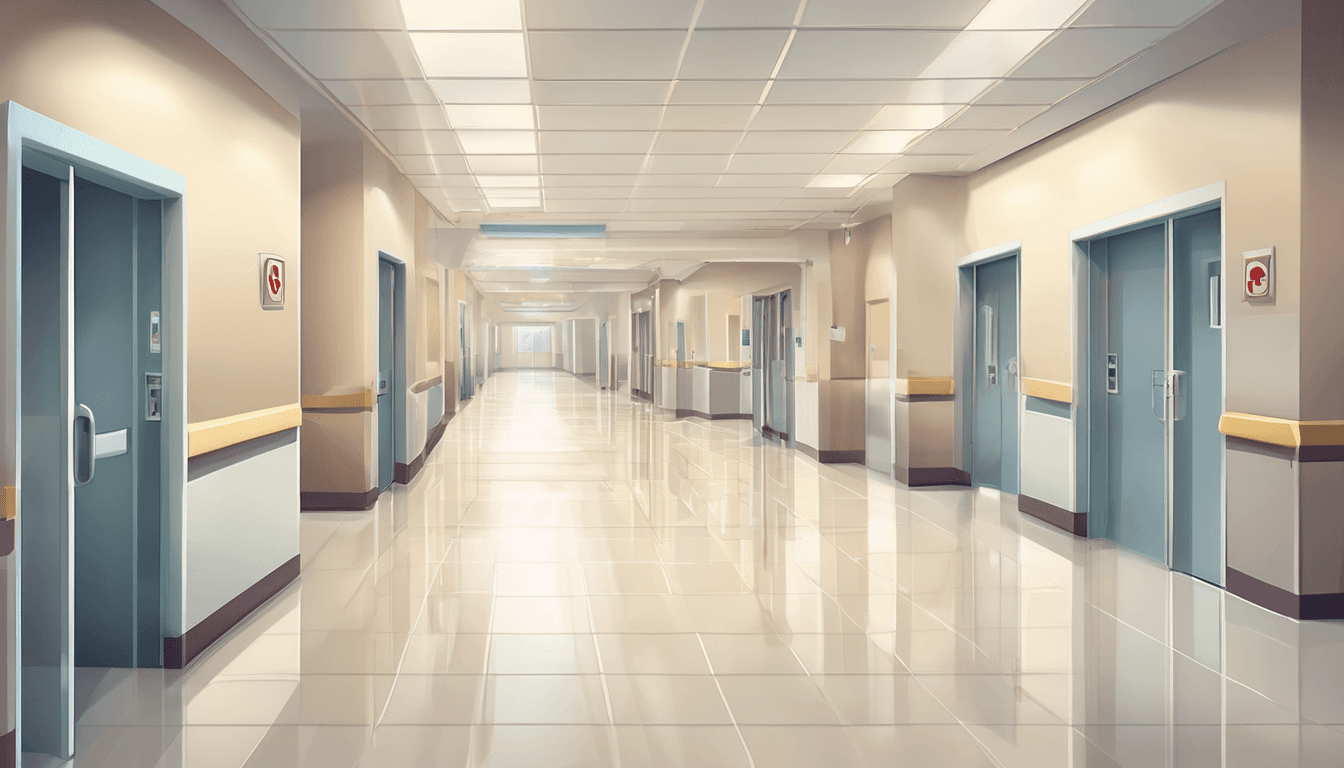
Hospitals, aged care facilities, and other healthcare settings operate under constant pressure. The cleanliness of floors directly impacts the risk of Healthcare-Associated Infections (HAIs), making consistent and thorough scrubbing non-negotiable. Manual cleaning methods, while foundational, are often susceptible to human variability, fatigue, and the sheer scale of large floor areas.
Terminal cleaning, a highly critical process performed after a patient's discharge, exemplifies this challenge. It demands rapid, meticulous disinfection within narrow timeframes to prepare rooms for the next occupant. Delays or inconsistencies here can have severe repercussions, both for patient safety and bed turnaround times, directly affecting hospital capacity and revenue.
Furthermore, the ongoing scarcity of skilled cleaning labour in Australia places immense strain on facility operations. Attracting and retaining staff for repetitive, physically demanding cleaning tasks is increasingly difficult, leading to gaps in coverage or compromised standards.
Autonomous Cleaning: A Strategic Imperative, Not Just a Convenience
This is where autonomous cleaning becomes a strategic imperative. The shift from human-powered scrubbing to robotic solutions offers a pathway to operational leverage, ensuring every square metre of hard floor is cleaned to an unwavering standard, every single time. It's about empowering your cleaning teams to focus on the intricate, high-value tasks - like detailed disinfection of high-touch surfaces - while the robots handle the heavy lifting of routine floor maintenance.
Modern autonomous scrubbers are engineered to navigate complex environments, detect obstacles, and operate safely alongside people. Their integration into hospital cleaning regimes frees up human capital, delivers predictable cleaning cycles, and, crucially, provides verifiable data on cleaning coverage and performance. This data is invaluable for demonstrating compliance with stringent hygiene standards, a key requirement for healthcare facilities undergoing audits.
Gausium Scrubber 50: Precision Performance for Critical Environments
When considering an investment in robotic cleaning, understanding the capabilities of specific platforms is paramount. The Gausium Scrubber 50 stands out as a dedicated, mid-sized autonomous floor scrubber engineered for consistent wet-scrubbing on hard floors. Its design is particularly well-suited for high-traffic, sensitive environments, including hospitals, retail chains, and airports, where maintaining pristine conditions is critical.
Equipped with 30 L clean and 24 L recovery tanks, the Scrubber 50 supports extended cleaning cycles, minimising interruptions for refills. This feature is crucial for maintaining hygiene in active facilities, allowing for sustained operation during low-traffic periods. Its theoretical scrubbing coverage up to approximately 2,419 m²/h, coupled with a minimum passing width of ~800 mm, ensures efficient cleaning even in moderately congested areas.
Consistency Beyond Human Capability
The Gausium Scrubber 50 delivers a level of cleaning consistency that manual methods simply cannot match. Its programmed routes ensure no area is missed, and features like spot cleaning and 5-stage filtration enhance its capability to maintain high hygiene standards. In a hospital, where every surface matters, this predictable performance helps to significantly reduce cross-contamination risks and provides confidence in the cleanliness of shared spaces.
Navigating Strict Hygiene Protocols
For healthcare environments, the Scrubber 50's dedicated wet-scrubbing function on hard floors (such as tile, vinyl, concrete, and epoxy) is precisely what's needed for effective disinfection protocols. Its ability to integrate seamlessly into routine floor care means human staff can be strategically reallocated to intricate tasks, such as terminal room cleaning and high-touch surface disinfection. This collaborative approach optimises cleaning schedules and ensures all aspects of hygiene are addressed efficiently, especially within tight terminal cleaning windows.
Operational Safety and Compliance
Deploying autonomous cleaning equipment in Australia requires a steadfast commitment to safety and compliance. Under the Work Health and Safety Act 2011 (Cth), Persons Conducting a Business or Undertaking (PCBUs) must ensure, so far as reasonably practicable, the health and safety of workers and other people. Autonomous scrubbers like the Gausium Scrubber 50 are designed with safety in mind, incorporating advanced obstacle detection and emergency stop functions. However, operators must uphold their responsibilities by maintaining robust documentation, including risk assessments, obstacle detection test results, routine maintenance records, and operator training records, as often required for procurement due diligence by standards like EN IEC 63327.
Here’s a snapshot of the Gausium Scrubber 50's key specifications and their direct benefits in a healthcare setting:
| Feature | Specification | Benefit for Healthcare Facilities |
|---|---|---|
| Cleaning Type | Dedicated Wet-Scrubbing | Optimal for germ removal and disinfection on hard floors. |
| Supported Surfaces | Hard Floors (Tile, Vinyl, Concrete, Epoxy) | Matches typical hospital flooring, ensuring effective and safe operation. |
| Theoretical Coverage | Up to ~2,419 m²/h | Efficiently cleans large floor plates, reducing cleaning time and labour costs. |
| Tank Capacity | 30 L Clean / 24 L Recovery | Extended operation between refills, crucial for continuous cleaning in busy environments. |
| Filtration | 5-stage Filtration System | Enhances hygiene by capturing fine particles and maintaining clean water quality. |
Beyond the Machine: The Business Case for Automation
The decision to adopt autonomous cleaning isn't merely about choosing between, for instance, a Gausium Scrubber 50 vs Karcher KIRA B 50; it's about a fundamental shift in facility management strategy. The return on investment (ROI) extends far beyond direct labour cost savings. It encompasses reduced worker's compensation claims from repetitive strain injuries, enhanced brand reputation through visible cleanliness, and improved infection control outcomes that directly impact patient health and operational efficiency.
In a bustling hospital in Perth, or a large medical centre on the Gold Coast, an autonomous scrubber operating discreetly during off-peak hours can maintain an unparalleled standard of cleanliness. This frees up human cleaning staff for more complex and critical tasks during peak hours, creating a powerful synergy between technology and human expertise. It’s an investment in the long-term health and operational resilience of the facility.
Choosing Your Path to Robotic Cleaning Excellence with Robotec
Implementing advanced cleaning automation requires a knowledgeable partner. Robotec, headquartered in Melbourne, is an authorised Gausium dealer operating across Australia with flexible Purchase, Lease, and RaaS (Robotics-as-a-Service) delivery models. This flexibility ensures that facilities of all sizes and budget structures can access cutting-edge autonomous cleaning solutions, tailored to their unique operational needs.
Whether your priority is strict compliance, optimising labour allocation, or achieving consistently higher hygiene standards, the right autonomous scrubber can be transformative. We partner with facility managers and operations teams to meticulously assess their sites, develop tailored deployment plans, and provide comprehensive training and support to ensure a seamless transition to automated cleaning. The objective isn't just to sell a robot, but to deliver a comprehensive solution that elevates your facility's operational performance and safety.
The future of facility hygiene in Australia is autonomous, intelligent, and exceptionally clean. Embracing this evolution ensures your operations are not just keeping pace, but leading the way in safety, efficiency, and verifiable cleanliness.