Cleaning Robot vs. Cleaner Cost Comparison Australia: A TCO Perspective for Facilities
Understanding the true cost of cleaning extends beyond hourly wages. This post delves into a comprehensive cleaning robot vs. cleaner cost comparison for Australian commercial facilities, examining Total Cost of Ownership (TCO), WHS compliance, and operational benefits.
Direct answer: When comparing cleaning robots versus human cleaners in Australia, the true cost extends beyond hourly wages to encompass Total Cost of Ownership (TCO). Autonomous cleaning robots offer predictable operational expenses, consistent cleaning standards, reduced WHS risks, and enhanced labour optimisation, often proving more cost-effective long-term by delivering higher quality and operational efficiency.
Key takeaways:
- Autonomous robots provide a lower Total Cost of Ownership (TCO) than manual cleaning.
- Robots ensure consistent cleaning quality and meet WHS Act 2011 compliance standards.
- Investing in automation optimises human labour for higher-value tasks and skill development.
The Evolving Challenge for Australian Facility Operations
Facility managers across Australia face increasing pressure to maintain impeccable cleaning standards while grappling with persistent labour challenges and rising operational costs. The traditional model of relying solely on human cleaners is becoming less sustainable for large commercial and industrial sites, where consistency can vary, and direct labour expenses continually climb.
This reality prompts a critical question: how does a cleaning robot vs. cleaner cost comparison in Australia truly stack up? The answer lies not just in a simple hourly rate, but in a holistic view of Total Cost of Ownership (TCO), operational efficiency, and the undeniable advantages of automation.
Beyond Hourly Rates: Understanding Total Cost of Ownership (TCO)
Many procurement teams initially compare the hourly wage of a cleaner against the perceived cost of an autonomous cleaning robot. This overlooks a multitude of factors that contribute to the overall expense and effectiveness of a cleaning program. A comprehensive TCO analysis reveals where the real value lies.
Predictable Labour Costs and Productivity
Manual cleaning costs fluctuate with wage increases, penalty rates, and worker availability. Absenteeism, training, and supervision also add significant overhead. Autonomous cleaning robots, like the Gausium Scrubber 50 or the versatile Phantas, offer predictable operational costs, including energy consumption, maintenance, and solution usage. They can operate consistently for extended periods, even during off-peak hours, without breaks, ensuring maximum productivity.
Consistent Cleaning Standards and Measurable Performance
Human cleaning performance can vary based on individual skill, fatigue, and motivation. This variability can lead to inconsistent cleanliness, potentially impacting facility appearance, hygiene, and tenant satisfaction. Autonomous scrubbers such as the Scrubber 75 deliver consistent hard-floor cleaning outcomes, following pre-programmed paths with precision. This reduces reliance on manual variability and provides documented cleaning paths, offering measurable performance data critical for facility management demands and health standards.
Optimising Human Labour for High-Value Tasks
The introduction of autonomous cleaning robots isn't about replacing human workers; it's about reallocating valuable labour. By automating routine, repetitive floor care, human staff can be moved to specialised cleaning tasks, high-touch point sanitisation, or customer-facing roles. This shift enhances overall service quality and job satisfaction, addressing labour availability challenges by making more efficient use of the existing workforce.
Based in Melbourne, Robotec is an authorised partner of Gausium in Australia, offering Purchase, Lease, and RaaS (subscription-based long-term hire) for commercial operators. This flexible acquisition model allows facilities to manage their capital expenditure and operational budgets effectively, further enhancing the TCO benefits of automation.
| Cost Factor | Manual Cleaning | Autonomous Cleaning Robot |
|---|---|---|
| Labour Costs | Variable (wages, penalty rates, recruitment, absenteeism) | Predictable (fixed robot operational costs, human supervision) |
| Cleaning Consistency | Variable (dependent on human performance) | High (programmed paths, consistent application) |
| Operational Hours | Limited by shifts, breaks, fatigue | Extended (can run 24/7, off-peak, autonomous charging) |
| WHS Compliance | Ongoing training, manual handling risks | Documented safety features, reduced human exposure to hazards |
| Data & Reporting | Often manual, limited detail | Detailed usage, coverage, performance metrics |
Compliance and Procurement: Navigating Australian Operator Obligations
Deploying any equipment in an Australian workplace requires strict adherence to safety regulations. The Work Health and Safety Act 2011 (Cth) mandates that Persons Conducting a Business or Undertaking (PCBUs) ensure, so far as reasonably practicable, the health and safety of workers and others at the workplace. This extends directly to autonomous cleaning equipment.
Risk Assessment and Documentation
For facilities considering a cleaning robot vs. cleaner cost comparison in Australia, robust safety documentation is paramount. Operators deploying autonomous cleaning machines are expected to maintain records including documented obstacle-detection and emergency-stop test results, routine maintenance logs, and comprehensive operator training records. This evidence demonstrates due diligence and supports compliance with WHS obligations.
Additionally, Australian operators frequently seek assurances that equipment meets recognised international standards. Citing compliance with EN IEC 63327 (for autonomous commercial floor treatment machines) and ISO 13482 (for human-collaborative robotics) helps signal commercial-grade autonomy and human-aware behaviour, especially vital in public or occupied spaces.
Electrical Safety and Operational Readiness
Each Australian state and territory has specific electrical safety regulations that apply to autonomous cleaning machines, their charging docks, and batteries. Facility managers must confirm that imported or deployed equipment meets these local obligations. Reputable providers like Robotec ensure all Gausium equipment complies with relevant Australian standards, offering peace of mind to facility and procurement teams.
A Practical Scenario: Optimising Cleaning Across Gold Coast and Brisbane
Consider a national retail chain with multiple large-format stores across Gold Coast and Brisbane. Historically, each store relied on a team of manual cleaners. The challenges included inconsistent cleaning quality between locations, difficulty in finding staff for late-night shifts, and the high cost of weekend penalty rates.
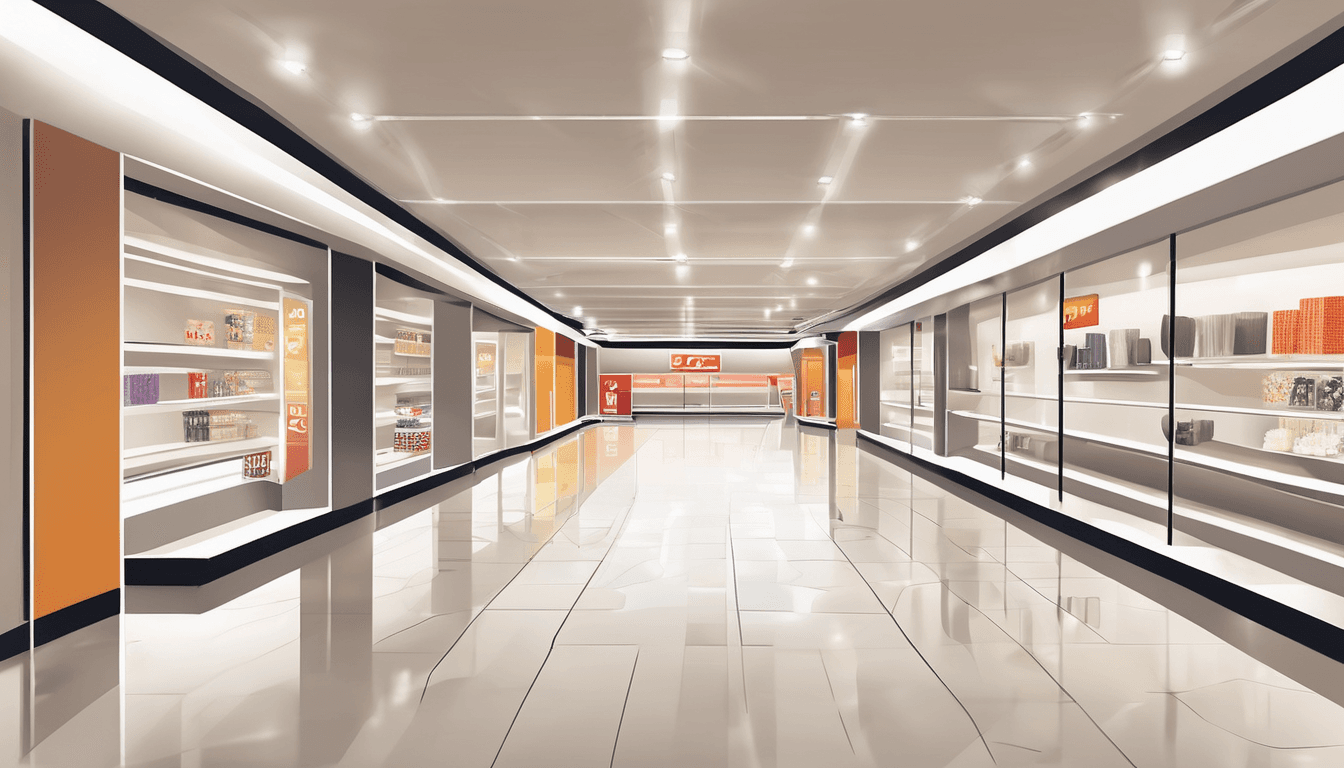
By implementing Gausium autonomous scrubbers such as the Marvel, designed for large, complex floor plates, or the Mira for high-traffic retail environments with narrow aisles, the retailer could standardise cleaning protocols. These robots perform thorough hard-floor scrubbing and sweeping during off-peak hours, ensuring stores open to pristine conditions daily. Human staff could then be reallocated to detail work, stock management, or customer service, improving both efficiency and the shopper experience.
The TCO benefits become clear: reduced variable labour costs, consistent brand presentation across all locations, and robust documentation for WHS audits. This strategic deployment transforms the cleaning operation from a cost centre into an efficiency driver, aligning with the highest standards of modern facility management.
Choosing the Right Partner for Your Autonomous Cleaning Journey
The shift towards autonomous cleaning robots represents a significant advancement in facility management, moving beyond simple hourly comparisons to a focus on TCO, consistency, and compliance. Whether your priority is optimising labour in a Brisbane logistics hub or maintaining immaculate floors in a Gold Coast retail centre, the benefits of commercial cleaning automation are compelling.
Robotec is committed to empowering Australian businesses with cutting-edge Gausium autonomous cleaning solutions. Our expertise spans purchase, lease, and RaaS options, ensuring you find the right fit for your operational needs and budget. Explore how intelligent automation can transform your cleaning operations and provide a clear return on investment by visiting our ROI Calculator or booking a consultation today.