Autonomous Cleaning vs. Manual: The True Cost Equation for Australian Hospitality
Manual cleaning is often seen as the baseline, but what's the true cost comparison when considering operational leverage, labour challenges, and guest experience in Australian hospitality?
Forget the outdated notion that manual cleaning is simply 'the way it's always been done.' In Australian hospitality, the true cost of keeping premises immaculate extends far beyond hourly wages. It’s a complex equation, and the variable of autonomous cleaning vs manual cleaning cost is rapidly tipping the scales.
For facility managers and operations leaders across hotels, resorts, and entertainment venues, the conversation has moved from 'if' to 'when' to embrace automation. This isn't just about efficiency; it's about strategic operational leverage and guest satisfaction.
Key Takeaways:
- Cost savings extend beyond labour, encompassing consistency, resource use, and operational agility.
- Autonomous solutions free human staff to focus on high-value guest interactions and detailed, high-touch cleaning.
- Data-driven cleaning insights offer unparalleled visibility and optimisation for facility operations.
The Invisible Drag on Hospitality Budgets
Australia’s hospitality sector thrives on impeccable presentation and seamless service. Yet, behind every pristine lobby and spotless dining area are significant operational challenges. Labour availability continues to be a bottleneck, and rising wage expectations put immense pressure on budgets.
Manual cleaning, despite its perceived simplicity, often struggles with consistency. A team member's performance can vary, leading to missed spots, uneven coverage, and a noticeable dip in the overall guest experience. This inconsistency isn't just an aesthetic issue; it can subtly erode a venue's reputation.
From the bustling hotel lobbies of Melbourne to the expansive resort complexes near Perth, maintaining a uniformly high standard of cleanliness 24/7 is a logistical and financial tightrope walk. The true cost isn't just hourly rates; it includes training, supervision, absenteeism, and the intangible cost of guest dissatisfaction.
The Shift: Beyond Just 'Cleaning' to 'Operational Leverage'
Modern facility management views cleaning not as a cost centre to be minimised, but as a strategic function that underpins brand reputation and operational efficiency. The shift towards automation isn't about replacing people; it's about elevating their roles and providing an operational backbone that manual efforts alone can't sustain.
Think of it like this: a manual cleaning crew is akin to a bespoke, hand-crafted item – charming, but potentially inconsistent. An autonomous cleaning fleet, by contrast, is a precision-engineered luxury vehicle. It delivers consistent, reliable performance day in and day out, ensuring every journey (or cleaning cycle) is executed to exacting standards. This predictability transforms cleaning from a variable expense into a reliable, measurable asset.
By automating repetitive, large-area cleaning tasks, facilities gain significant operational leverage. Human staff can be re-deployed to focus on intricate detailing, high-touch surfaces, or, crucially, direct guest interaction – a core differentiator in hospitality.
Deciphering the Cost Equation: Autonomous Cleaning vs Manual Cleaning
When comparing autonomous cleaning vs manual cleaning cost, a superficial glance often misses the forest for the trees. The real benefits emerge when considering the full lifecycle of operations, not just immediate expenses.
The Direct Labour Conundrum
Manual cleaning is inherently labour-intensive. Wages, superannuation, leave entitlements, workers' compensation, and the ongoing costs of recruitment and training accumulate rapidly. Furthermore, the productivity of manual cleaning can vary significantly based on individual effort, fatigue, and motivation.
Autonomous cleaning robots, such as advanced Gausium-class platforms, offer predictable operational expenses. Once implemented, their running costs relate to energy, maintenance, and consumables. For many Australian businesses, this predictability, coupled with the option of Purchase, Lease, or RaaS (Robotics-as-a-Service) offered by Robotec, translates into a far more manageable and often lower long-term financial commitment compared to ever-escalating labour costs.
Consistency: The Unsung Hero of Guest Experience
In hospitality, consistency isn't just a nicety; it's a necessity. An autonomous scrubber or vacuum follows predefined routes with meticulous precision, ensuring every square metre of a hotel lobby or a restaurant floor receives the same high standard of cleaning, every single time.
This unwavering consistency dramatically elevates the perception of cleanliness, directly impacting guest satisfaction. There are no 'bad days' for a robot. This reliability frees human teams to concentrate on those critical, high-touch areas – door handles, lift buttons, reception desks, and F&B surfaces – that demand human discernment and detailed attention. For Australian hotels, this means fewer complaints and more positive reviews regarding cleanliness.
Optimising Resources & Data-Driven Decisions
Autonomous cleaning platforms are engineered for efficiency. Gausium robots, for instance, are designed to optimise water and chemical consumption through precise application and efficient cleaning patterns. This reduces ongoing supply costs and aligns with sustainability initiatives – a growing expectation from modern guests.
Beyond resource savings, these robots generate invaluable data. Telemetry provides insights into cleaning coverage, schedules, and areas of high traffic. This data empowers facility managers to make informed decisions, optimise cleaning schedules, and demonstrate the tangible ROI of their cleaning operations. What gets measured, gets managed, and ultimately, gets optimised.
Scalability and Workforce Enhancement
The ability to scale cleaning operations up or down with ease is a distinct advantage of automation. For a large conference or a busy holiday season, deploying more autonomous units (or adjusting existing schedules) is far simpler than rapidly hiring and training a temporary manual workforce.
Crucially, autonomous cleaning isn't about job displacement. It's about job re-definition. Human staff are liberated from monotonous, repetitive tasks and can be upskilled to manage and oversee the robotic fleet, or redeployed to focus on high-value guest services, detailed spot cleaning, or specialised tasks that robots cannot perform. This enhances overall workforce morale and enables better allocation of valuable human capital.
A Real-World Scenario: Elevating an Australian Hotel
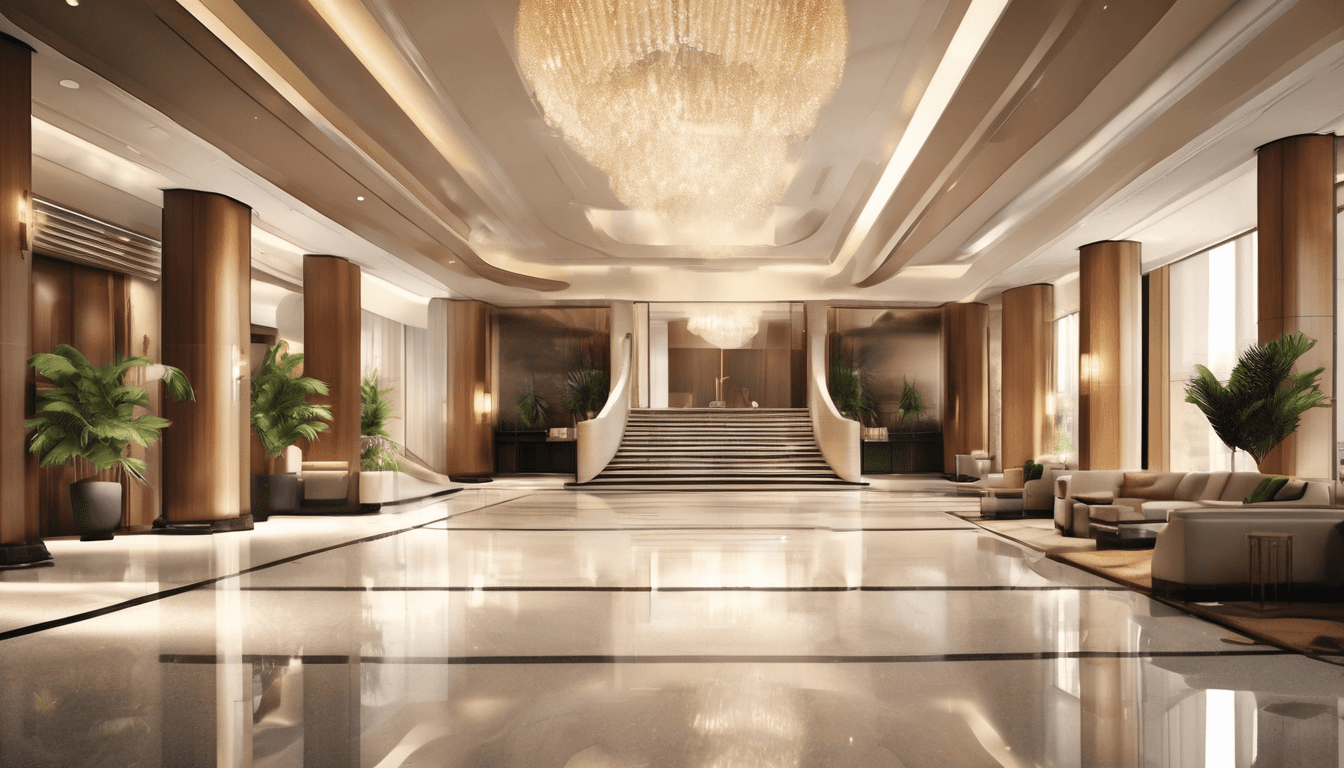
Consider a prominent hotel in Sydney, grappling with increased guest foot traffic, persistent labour shortages, and an urgent need to elevate its guest experience. Their manual cleaning team was stretched thin, leading to inconsistent floor cleanliness in high-visibility areas like the grand lobby, corridors, and even some F&B spaces.
After evaluating the autonomous cleaning vs manual cleaning cost, the operations team decided to invest in intelligent floor scrubbers. Robotec, the official distributor of Gausium automated cleaning robots in Australia, based in Melbourne and supporting sites nationwide through Purchase, Lease, and RaaS, worked with the venue to integrate the robots seamlessly. These machines now meticulously maintain the hotel's expansive floor areas overnight and during quiet periods, ensuring a pristine environment for guests from the moment they check in.
This strategic shift allowed existing cleaning staff to focus on intricate detailing, sanitising high-touch points, and responding to immediate spills, thereby enhancing both efficiency and cleanliness standards. The result? Tangible improvements in guest satisfaction scores related to cleanliness and an optimised operational budget, demonstrating the profound impact of smart automation in hospitality cleaning Australia.
The Future of Immaculate Spaces is Autonomous
The debate around autonomous cleaning vs manual cleaning cost has a clear answer for forward-thinking Australian hospitality operators. Automation is not merely a technological advancement; it's a strategic imperative for long-term sustainability, consistent guest satisfaction, and operational excellence.
Embracing intelligent cleaning robots allows venues to achieve unparalleled levels of cleanliness, manage labour challenges effectively, and reallocate human resources to tasks that genuinely enhance the guest experience. The future of pristine, impeccably maintained hospitality spaces is here, and it's decidedly autonomous.