Autonomous Cleaning Robots: Unpacking Costs & ROI for Australian Transport Hubs
The perpetual hum of a transport hub never truly sleeps. Neither should its cleaning regimen. In bustling Australian environments, maintaining impeccable hygiene 24/7 with traditional methods is a constant battle against the clock, budget, and increasingly, labour availability. This raises a critical question for facility managers across Australia: how much does a cleaning robot cost Australia, and what is the real return on investment?
The perpetual hum of a transport hub never truly sleeps. Neither should its cleaning regimen. In bustling Australian environments like Sydney's international airport or Adelaide's central train station, maintaining impeccable hygiene 24/7 with traditional methods is a constant battle against the clock, budget, and increasingly, labour availability. This raises a critical question for facility managers across Australia: how much does a cleaning robot cost Australia, and what is the real return on investment?
It's a question less about a single price tag and more about strategic operational leverage. Transport hubs, by their very nature, are high-traffic, dynamic ecosystems that demand consistent, high-standard cleanliness around the clock. Manual cleaning, while essential, faces inherent limitations in scalability, consistency, and the sheer physical toll on staff.
Key Takeaways
- Autonomous cleaning robots offer significant long-term ROI beyond their initial investment, especially for 24/7 transport hubs.
- Solutions provide unwavering cleaning consistency, critical for public health and facility reputation in high-traffic areas.
- Flexible acquisition models (Purchase, Lease, RaaS) allow Australian businesses to align costs with operational needs.
The Unyielding Demand of 24/7 Operations
Imagine the constant flow through a major Sydney transport hub: thousands of footsteps, spills, and the ongoing challenge of maintaining an inviting, hygienic environment. Traditional cleaning crews work tirelessly, often in shifts, but the sheer scale and continuous nature of operations mean that achieving uniform cleanliness can be a logistical headache. Labour shortages further compound this.
The imperative for pristine conditions has never been greater. Public health expectations, passenger satisfaction, and brand perception are all directly tied to the cleanliness of your facility. This isn't just about aesthetics; it's about operational integrity.
The shift towards automation in these environments isn't just about cutting costs, though that's a significant benefit. It’s about elevating the standard of facility operations, providing consistency that manual teams simply cannot sustain over expansive, round-the-clock schedules. It’s about empowering your human staff to focus on critical detail work, not repetitive floor cleaning.
Beyond the Sticker Price: Understanding How Much a Cleaning Robot Costs Australia in the Long Run
When considering an investment in autonomous cleaning robots, the immediate thought often turns to the upfront purchase price. However, understanding the true value means looking at the total cost of ownership (TCO) over the robot's lifecycle and, crucially, comparing it against the long-term operational expenses of manual cleaning.
Think of it less as a cost centre and more as an operational lever, akin to upgrading a fleet of service vehicles from an everyday sedan to a precision-engineered, high-performance machine. The initial outlay might be higher, but the long-term efficiency, reliability, and reduced running costs deliver a superior return.
Optimising Operational Efficiency & Labour Utilisation
Autonomous cleaning robots excel at repetitive, large-area tasks. Modern autonomous platforms, akin to Gausium-class solutions, can operate continuously, even around the clock, with features like automatic water refilling and battery charging. This frees human cleaning staff to focus on high-touch surfaces, detailed disinfection, and immediate spill responses – tasks that require human judgment and dexterity.
In a labour market where skilled cleaning staff can be difficult to find and retain, particularly for demanding 24/7 roles, automation provides a powerful solution. It stabilises your cleaning operations, reduces dependency on fluctuating labour availability, and can even improve staff satisfaction by reassigning them to more engaging tasks. This directly impacts your facility operations bottom line.
Unwavering Consistency in High-Traffic Zones
Humans are susceptible to fatigue and variations in performance. Robots are not. They follow pre-programmed routes with millimetre-precision, ensuring every inch of a designated area, whether a bustling concourse at Sydney Airport or the platforms of Adelaide's train station, receives the same high standard of cleaning, every single time.
This consistency is paramount in environments where public health and perception are critical. Advanced autonomous cleaning solutions also offer detailed cleaning reports and operational data, providing an auditable trail of cleanliness. This transparency offers facility managers unprecedented oversight and accountability, moving cleaning from a reactive chore to a proactive, data-driven discipline.
Scalability & Future-Proofing Your Facility Operations
One of the often-overlooked benefits of autonomous cleaning is its inherent scalability. Whether you manage a smaller regional airport or an expansive international terminal, a fleet of robots can be tailored to meet specific area requirements and cleaning frequencies. As your facility grows or demands shift, so too can your robotic fleet.
Investing in automation today is an investment in the future resilience of your facility operations. It prepares your organisation for evolving labour markets, higher cleaning standards, and the inevitable integration of smart technology into every aspect of commercial property management. It's about building a cleaning infrastructure that is both robust and adaptable.
A Day in the Life: Automation at an Australian Transport Hub
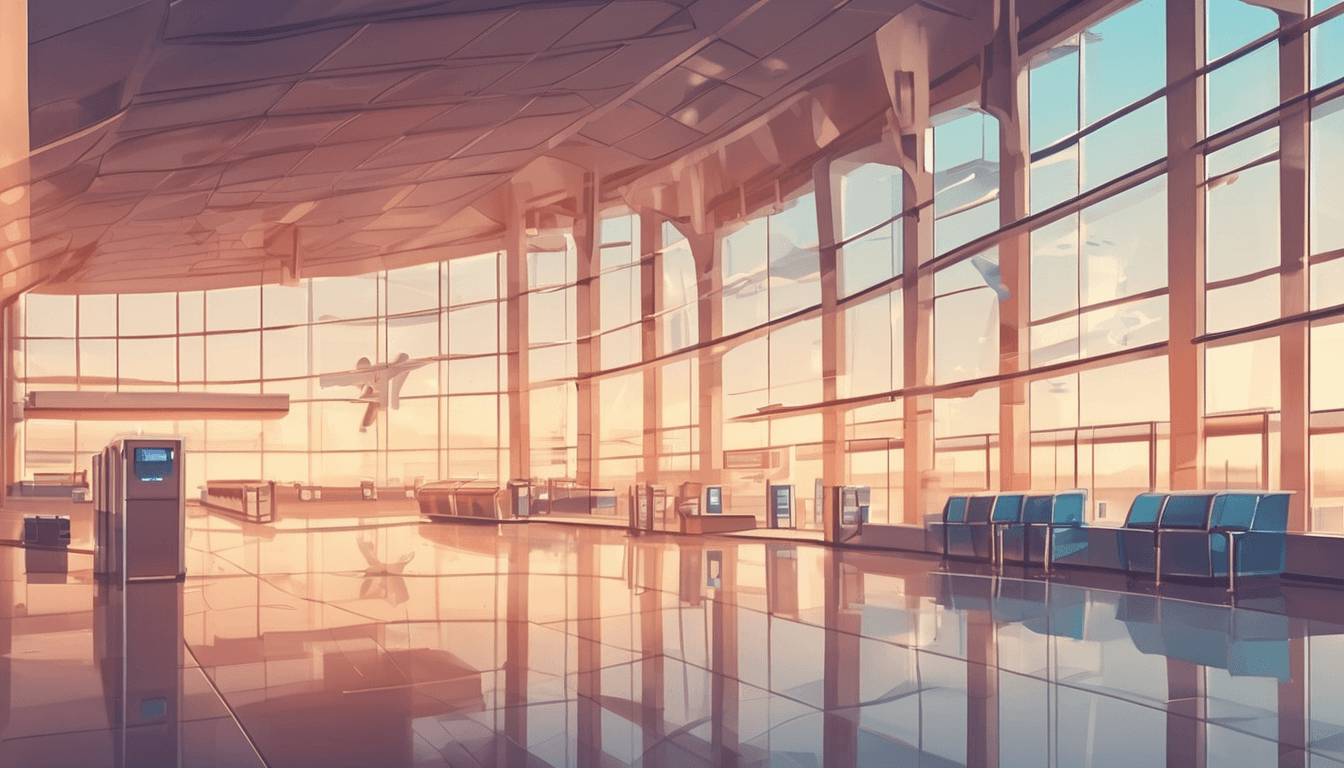
Picture Adelaide Airport at 2 AM. While the passenger traffic has dwindled, the need for continuous cleanliness remains. An autonomous scrubber, quietly and efficiently, navigates the empty terminals. Its multi-sensor fusion technology effortlessly detects and avoids any stray baggage carts or maintenance equipment, ensuring a spotless finish without human intervention.
As the first flights prepare for departure, the robot returns to its charging station, having completed its programmed route. Human staff arrive to focus on critical areas like restrooms, security checkpoints, and customer service desks, knowing the vast floor areas have been impeccably maintained. This collaborative approach ensures peak efficiency and an elevated standard of hygiene across the entire facility.
This isn't a futuristic fantasy; it's the present reality for forward-thinking facility managers. Robotec, headquartered in Melbourne, is an authorised Gausium dealer operating across Australia with flexible Purchase, Lease, and RaaS delivery models, providing solutions tailored to individual facility operations. This flexibility means Australian businesses can acquire these advanced solutions in a way that best suits their capital expenditure and operational budgets.
Optimising Your Investment: How Much Does a Cleaning Robot Cost Australia vs. Its Operational Leverage
The upfront price of an autonomous cleaning robot in Australia can vary significantly based on the model, capabilities, and required customisation. However, focusing solely on this figure misses the larger picture. The true financial benefit comes from the sustained reduction in labour costs, increased operational efficiency, and the elevated quality of cleanliness that directly impacts customer satisfaction and operational compliance.
Consider the ROI: reduced cleaning hours, lower utility consumption (optimised water and chemical usage), decreased incidents due to consistent cleaning, and the intangible value of a consistently immaculate facility. These add up, transforming an initial outlay into a strategic asset that pays dividends over years. For many organisations, the long-term operational savings far outweigh the initial investment, making the cost question less about 'how much' and more about 'how quickly it pays for itself'.
Ultimately, when exploring how much does a cleaning robot cost Australia, the answer extends far beyond a simple price tag. It's an investment in the future of your facility's operational excellence, hygiene standards, and long-term sustainability. For Australian transport hubs navigating the complexities of 24/7 demands, automation isn't just a luxury; it's a strategic necessity.