Autonomous Cleaning Robot Cost in Australia: Investing in Shopping Centre Efficiency
Understanding the investment in autonomous cleaning robots for Australian shopping centres goes beyond the sticker price. This post unpacks the total cost of ownership, operational benefits, and how these advanced machines meet rising tenant and customer expectations for pristine environments, especially for after-hours cleaning.
Direct answer: The autonomous cleaning robot cost in Australia for shopping centres involves initial investment, ongoing operational expenses, and significant long-term savings. Factors like labour optimisation, consistent cleaning quality, and extended operational uptime contribute to a compelling return on investment, particularly for large common areas and scheduled after-hours cleans.
Key Takeaways:
- Autonomous robots reduce reliance on manual labour, offering substantial long-term cost savings.
- They deliver consistent, high-quality cleaning, meeting stringent tenant and patron expectations in shopping centres.
- Deploying robots for after-hours operations enhances safety and allows for thorough, uninterrupted cleaning cycles.
The Evolving Landscape of Shopping Centre Cleaning in Australia
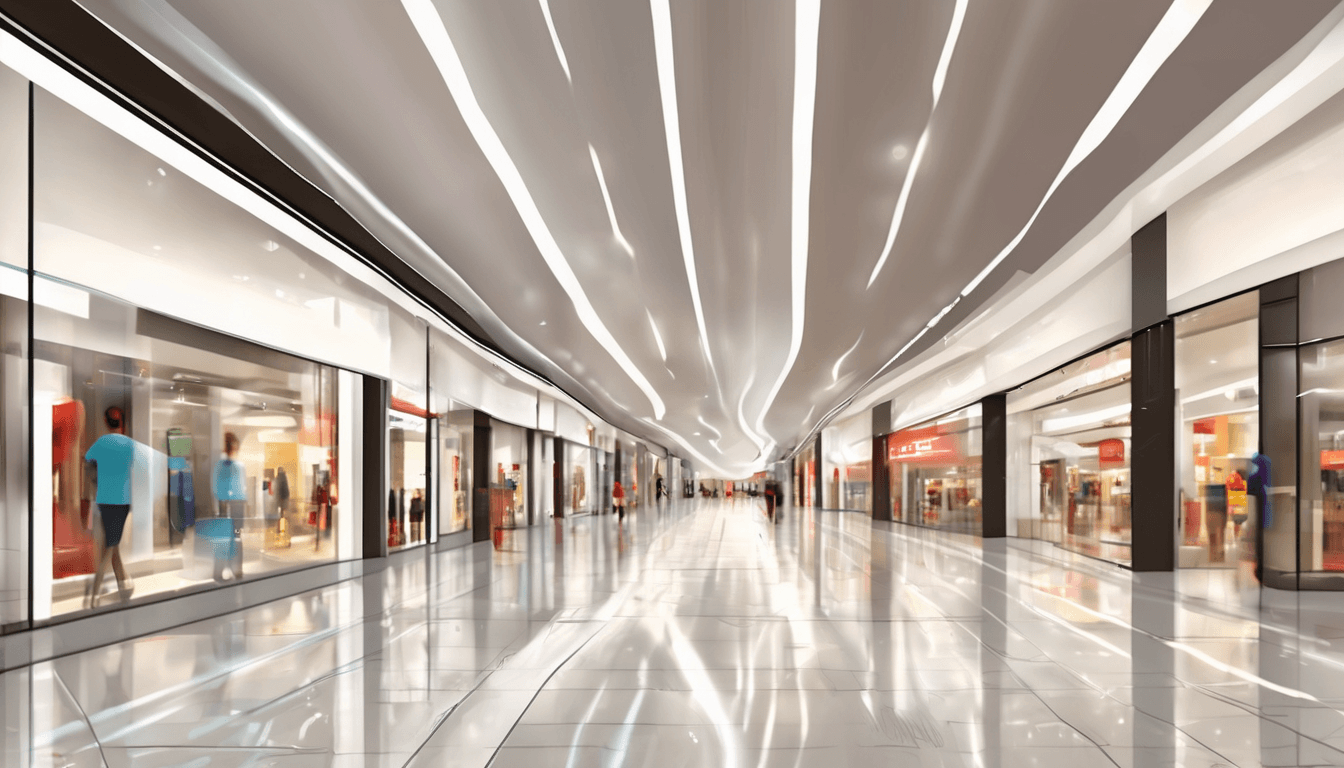
Australian shopping centres face continuous pressure to maintain immaculate common areas, not just for aesthetics but to meet the rising expectations of tenants, shoppers, and public health standards. Manual cleaning, while essential, struggles with consistency, staff availability, and the sheer scale of modern retail environments. This creates a compelling case for exploring advanced solutions that can deliver superior results more efficiently.
The traditional model of relying heavily on human labour for large-scale floor cleaning is becoming increasingly challenging. Facility managers in locations from Sydney to Canberra are grappling with rising labour costs and a scarcity of skilled staff, making it difficult to maintain peak cleanliness across vast retail spaces without significant budget allocation. This scenario highlights a critical need for solutions that optimise operational efficiency and ensure high, consistent cleaning standards.
Understanding the True Autonomous Cleaning Robot Cost in Australia
When considering autonomous cleaning robot cost in Australia, it is crucial to look beyond the initial purchase price. The true value lies in the Total Cost of Ownership (TCO) and the long-term operational benefits. Investing in automation is a strategic decision that impacts labour, operational consistency, and overall facility presentation.
Initial Investment vs. Long-Term Savings
The upfront cost for a commercial autonomous cleaning robot varies significantly based on its size, capabilities, and the level of autonomy. For instance, a compact multi-function cleaner like the Gausium Phantas, suitable for tighter commercial spaces and lifts, will have a different price point than a large-format autonomous scrubber-sweeper like the Gausium Marvel, designed for expansive shopping centre common areas and mixed forklift-pedestrian environments. However, these initial figures are quickly offset by substantial operational efficiencies.
The primary driver of ROI for autonomous cleaning equipment is the reduction in labour dependency. Robots can perform repetitive, strenuous tasks for extended periods, freeing up human staff to focus on more complex, detail-oriented, or customer-facing duties. This re-allocation of resources translates directly into savings on wages, training, and recruitment over time. As an authorised Australian partner for Gausium, Robotec runs from Melbourne and helps organisations deploy autonomous cleaning with Purchase, Lease, or RaaS options, providing flexible entry points for investment.
Operational Cost Considerations
Beyond labour, operational costs include consumables (water, detergents, brushes), electricity for charging, and routine maintenance. Modern Gausium robots are engineered for efficiency, using water and solution judiciously and featuring robust designs that minimise wear and tear. Features such as self-cleaning wastewater tanks, found in models like the Gausium Mira, also reduce manual intervention and associated costs. For specific financial modelling, Robotec offers a ROI Calculator to help Australian businesses assess potential savings.
| Cost Factor | Manual Cleaning | Autonomous Cleaning (Example) |
|---|---|---|
| Labour Wages | High, continuous | Reduced, reallocated for supervision/detail |
| Consistency/Quality | Variable (human factor) | High, programmed uniformity |
| Operational Hours | Limited shifts, breaks | Extended, after-hours capable |
| Training/Supervision | Ongoing for many staff | Minimal for robot oversight |
| Consumables Efficiency | Less controlled | Optimised usage by machine |
Delivering Consistent Cleanliness and Meeting Expectations
A major advantage of autonomous cleaning robots, especially for shopping centres, is their ability to deliver consistent, high-quality cleaning across vast common areas. Unlike manual cleaning, where results can vary based on the operator's fatigue or attention, a robot follows a programmed path with precision, ensuring every square metre is covered to the same standard. This directly addresses tenant and patron expectations for pristine environments.
Optimising Common Area Maintenance
For large shopping centre common areas, the Gausium Omnie provides premium autonomous scrubbing, with optional sweeping and dust-mopping functionalities for comprehensive hard-floor maintenance. This ensures a uniform level of cleanliness across high-traffic zones, from entryways to food courts. For mid-sized commercial spaces, including retail with narrow aisles and high-traffic end-caps, the Gausium Mira excels, performing sweeping and scrubbing simultaneously in a single pass with a minimum passing width of 660 mm. The Scrubber 50 is another excellent option for retail chains and supermarkets, offering efficient hard-floor scrub-dry operations.
The Strategic Advantage of After-Hours Cleaning
One of the most impactful applications for autonomous cleaning robots in shopping centres is scheduled after-hours cleaning. Deploying autonomous cleaners during off-peak hours allows for thorough, uninterrupted cleaning cycles without impacting daytime business, shoppers, or tenants. This also significantly enhances operational safety by reducing human-machine interaction in busy environments, particularly in mixed pedestrian-vehicle zones where machines like the Gausium Marvel operate effectively. The Marvel's large format and ability to sweep and scrub in a single pass make it ideal for expansive areas with mixed traffic.
Compliance and Safety in Autonomous Operations
Deploying autonomous cleaning equipment in Australia requires adherence to Work Health and Safety Act 2011 (Cth) obligations. Facility managers must ensure, so far as reasonably practicable, the health and safety of workers and other people at the workplace. This includes providing safe plant and systems of work, undertaking documented risk assessments, providing adequate training, and ensuring supervision for autonomous equipment.
Commercial autonomous cleaning machines, such as those offered by Robotec, are designed with safety in mind. They often comply with recognised international safety standards like EN IEC 63327, which establishes safety requirements specific to commercial autonomous cleaning equipment, including obstacle detection, emergency stop, and human-aware behaviour. This compliance is a key reference framework for Australian buyers evaluating equipment for safety and performance in regulated environments.
A Real-World Scenario: Enhancing a Major Sydney Shopping Centre
Consider a prominent shopping centre in Sydney that struggles with maintaining consistent cleaning standards across its vast hard-floor common areas, especially during peak trading hours. Their manual cleaning team was stretched thin, leading to visible inconsistencies and tenant complaints. Labour costs were escalating, and finding reliable staff for late-night shifts was a constant challenge.
After a comprehensive review, the centre explored autonomous cleaning solutions. They identified the Gausium Omnie and Marvel as potential candidates for their large-scale hard-floor scrubbing and sweeping needs. By implementing a fleet of these robots primarily for after-hours operations, the centre achieved a dramatic improvement in cleanliness consistency. Human staff were reallocated to high-touch points, restrooms, and detail cleaning, while the robots efficiently maintained the expansive floor plates.
This strategic shift not only reduced their overall labour hours dedicated to floor cleaning but also resulted in cleaner floors, fewer slip hazards, and a demonstrably better experience for tenants and customers. The data analytics provided by the robots also offered insights into cleaning coverage and efficiency, allowing the facility management team to continuously optimise their operations. Such data-driven insights are invaluable for modern facility operations.
The Future is Autonomous: Smart Investment for Australian Facilities
The autonomous cleaning robot cost in Australia is increasingly viewed as an investment in efficiency, consistency, and future-proofed facility operations. For shopping centres and other large commercial facilities, autonomous solutions offer a clear path to managing labour challenges, elevating cleanliness standards, and enhancing safety, particularly through strategic after-hours deployment. Explore the comprehensive range of Gausium autonomous cleaning robots and flexible deployment options by visiting Robotec's robots page or scheduling a consultation.