Are Cleaning Robots Worth It in Australia's Industrial Sector? The ROI Unpacked
For Australian industrial sites battling grit, safety concerns, and the pursuit of repeatable cleaning standards, the question isn't whether autonomous cleaning robots are impressive – it's whether they deliver tangible value. We unpack the true ROI.
Industrial environments present unique cleaning challenges that traditional methods often struggle to meet consistently and cost-effectively. Automation is not just an upgrade; it's a strategic necessity for modern operations.
Key Takeaways
- Autonomous robots transform industrial cleaning efficiency, safety, and compliance.
- They deliver unmatched consistency, operational data, and substantial long-term ROI.
- Investing in robotic cleaning is a strategic move for Australian industrial facility operations.
Are cleaning robots worth it Australia, particularly for the demanding environment of industrial operations? This isn't a hypothetical question for facility managers, operations directors, and commercial property owners in high-traffic, high-grime sectors. From the vast warehouses of Perth to the manufacturing plants surrounding Sydney, the drive for operational excellence, enhanced safety, and consistent standards is relentless. Traditional cleaning methods, often manual and labour-intensive, frequently fall short of these modern demands, leaving organisations grappling with inefficiencies and escalating costs.
The pursuit of a pristine yet productive industrial setting is complex. It involves navigating everything from stubborn dirt and debris to stringent safety protocols and the ever-present challenge of labour availability and quality control. This is where the conversation around autonomous cleaning robots shifts from a futuristic fantasy to a pragmatic business solution, offering a clear path to measurable returns and operational leverage.
The Industrial Quandary: Cleaning Beyond the Mop and Bucket
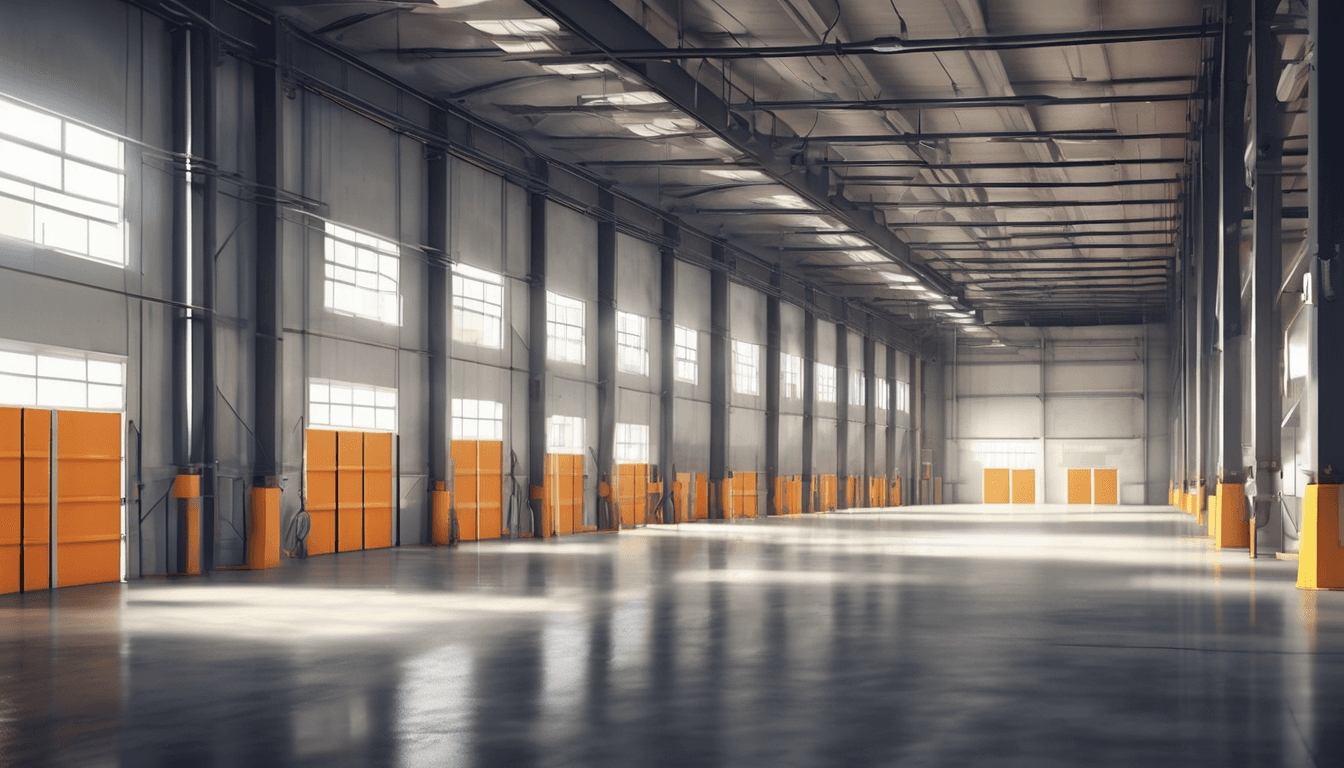
Industrial facilities – be they logistics hubs, production lines, or processing plants – are not typical office spaces. They are ecosystems of heavy machinery, constant movement, and often, significant grit, spills, and debris. Maintaining cleanliness here isn't just about aesthetics; it's fundamental to safety, compliance, and operational uptime.
Relying solely on manual cleaning in these environments is fraught with challenges. Human cleaning staff face repetitive, arduous, and sometimes hazardous tasks, exposing them to moving equipment, chemicals, and slip-and-fall risks. The sheer scale of many industrial sites makes consistent manual coverage a logistical nightmare, leading to uneven cleaning quality and areas left unattended.
Furthermore, the scarcity and escalating cost of skilled cleaning labour across Australia puts immense pressure on budgets and operational continuity. High turnover and the difficulty in recruiting dedicated staff mean that even when a cleaning crew is on site, consistency can be elusive. This variability directly impacts a facility’s ability to meet rigorous internal hygiene standards and external compliance requirements.
Beyond Buzzwords: Unpacking ROI – Are Cleaning Robots Worth It Australia?
The question of whether cleaning robots are worth it in Australia, especially for industrial applications, boils down to a clear-eyed assessment of return on investment (ROI). Automation isn't just a technological upgrade; it's a strategic investment in operational leverage that delivers tangible benefits far beyond simply scrubbing floors.
Elevating Safety & WHS Compliance
One of the most compelling arguments for autonomous cleaning in industrial settings is the dramatic improvement in Workplace Health and Safety (WHS). By entrusting routine, repetitive, and potentially hazardous cleaning tasks to robots, human employees are freed from dangerous environments. This significantly reduces exposure to moving machinery, hazardous materials, and the physical strain of manual labour, leading to fewer incidents and a safer working culture.
Modern Gausium-class autonomous scrubbers are engineered with advanced obstacle avoidance and precise navigation capabilities. They can operate safely and predictably in complex layouts, even alongside human workers and forklifts, minimising the risk of collisions and maintaining clear pathways. This proactive approach to safety is a non-negotiable asset for any Australian industrial operation looking to minimise risk and uphold its duty of care.
Unwavering Consistency & Repeatable Standards
In an industrial context, consistency isn't a luxury; it's a requirement. Autonomous cleaning robots excel here, offering a level of predictable, uniform cleanliness that manual processes simply cannot match. Once programmed, these machines follow precise cleaning paths, applying consistent scrubbing pressure, water usage, and detergent distribution across every square metre, every single time.
Consider it like a precision instrument versus a variable human hand. The robot eliminates human fatigue, oversight, and variability, ensuring that floors are consistently clean, free of slip hazards, and compliant with hygiene protocols. This unwavering standard is crucial for maintaining operational excellence, preventing cross-contamination, and meeting audit requirements in sensitive industrial sectors.
The Labour Optimisation Equation
Autonomous cleaning robots are not about replacing human labour wholesale but rather optimising it. By handling the monotonous, high-frequency cleaning tasks, robots allow human staff to be redeployed to higher-value activities. This could involve detailed spot cleaning, machine maintenance, quality control inspections, or supervision – tasks that require human judgement and expertise.
This reallocation addresses the ongoing labour shortage challenges, enabling facility managers to do more with their existing workforce. It transforms cleaning from a significant operational cost into a leveraged investment, ensuring comprehensive coverage without the constant pressure of recruiting and retaining staff for menial duties. The long-term savings on wages, training, and absenteeism can be substantial, building a strong case for ROI.
Data-Driven Cleanliness: The Strategic Advantage
Beyond the physical act of cleaning, autonomous robots introduce a new dimension to facility management: data. Modern Gausium platforms come equipped with sophisticated reporting capabilities, providing invaluable insights into cleaning operations. Imagine knowing precisely when and where every section of your facility floor was last cleaned, the efficiency of the route, and even consumption data for water and chemicals.
This level of data-driven oversight transforms cleaning from an intangible cost centre into a measurable, optimisable asset. It allows facility managers to identify inefficiencies, prove compliance during audits, and continually refine their cleaning strategies for maximum impact. Such detailed reporting supports continuous improvement initiatives, ensuring that your cleaning investment is always working at peak performance.
Real-World Impact: An Australian Industrial Perspective
Consider a large-scale industrial manufacturing plant just outside Sydney, spanning hundreds of thousands of square metres. Historically, maintaining floor cleanliness was a constant battle, with teams struggling to cover the vast areas consistently, particularly in heavy traffic zones. Dust and debris were perpetual issues, impacting air quality and machinery longevity, not to mention presenting slip hazards.
By integrating a fleet of autonomous scrubbers, this facility witnessed a remarkable transformation. Floors, once intermittently clean, now maintain a consistent, high standard throughout the operating day, even in high-grit areas. Human cleaning staff, previously tied to floor scrubbing, now focus on detailed machinery cleaning, high-level dusting, and sanitisation, elevating the overall hygiene and safety profile of the plant.
The operational data provided by the robots offers unprecedented transparency, allowing the facility manager to demonstrate precise cleaning coverage during WHS audits and optimise schedules to align with production peaks and troughs. This not only improved the physical environment but also significantly boosted staff morale by removing monotonous tasks and enhancing safety.
Based in Melbourne, Robotec is an official partner of Gausium in Australia, offering Purchase, Lease, and RaaS (subscription-based long-term hire) for commercial operators. This flexible approach ensures that whether you're a large Perth-based logistics hub or a Sydney manufacturing facility, there's a scalable solution to integrate autonomous cleaning that fits your operational model and budget. Learn more about our range of autonomous cleaning robots and explore how they can benefit your specific facility operations.
The Future is Now: Are Cleaning Robots Worth It Australia? Absolutely.
For Australian industrial facilities, the question, "Are cleaning robots worth it Australia?" isn't one of optional luxury, but rather of strategic necessity. The benefits extend far beyond mere cleanliness, encompassing enhanced WHS, unwavering operational consistency, optimised labour allocation, and invaluable data-driven insights.
Investing in autonomous cleaning robots is investing in the future-proofing of your facility operations. It's about securing a competitive edge, fostering a safer workplace, and achieving a level of efficiency and standardisation that manual methods simply cannot replicate. The time to embrace this transformative technology is now, redefining what's possible for your industrial cleaning protocols and bottom line.