Are Cleaning Robots Worth It in Australia? Proving ROI with Data
For Australian facility managers, the question isn't 'if' but 'when' automation will transform operations. This post unpacks the ROI of autonomous cleaning robots through data-driven insights.
The future of facility management in Australia isn't just about efficiency; it's about measurable, undeniable value. Are cleaning robots worth it for your operation? The answer, increasingly, is a resounding 'yes' – particularly when you can back it up with hard data and clear reporting.
For facility managers, operations leads, and procurement teams overseeing large commercial and industrial sites across Australia, the pressure to optimise is constant. Manual cleaning, while essential, is often a significant line item, plagued by inconsistencies and the ongoing challenges of labour availability and rising costs. This is where autonomous cleaning robots step in, not just as a labour-saving device, but as a strategic asset for operational leverage.
Key Takeaways
- Autonomous cleaning robots offer significant, measurable ROI through labour reallocation and consistent performance.
- Advanced data and reporting capabilities provide granular insights for optimising operations and proving value to stakeholders.
- Solutions like Robotec's Gausium fleet deliver superior cleaning standards and support compliance with Australian safety obligations.
The Unseen Costs of Traditional Cleaning
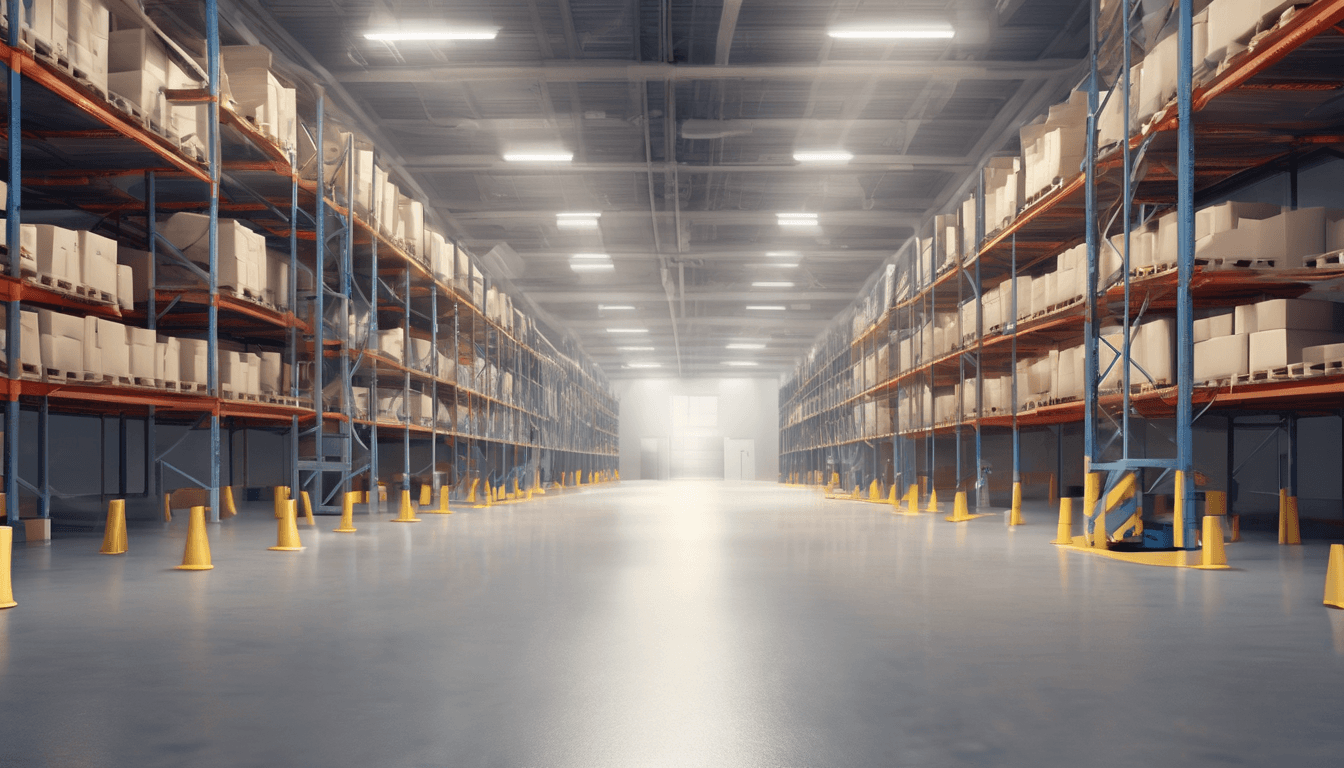
Consider the typical scenario in a large warehouse in Perth or a sprawling shopping centre in Melbourne. Traditional cleaning relies heavily on manual labour, often with varying degrees of oversight and consistency. Staff turnover, training requirements, sick leave, and the sheer physical effort of covering vast floor areas all contribute to a complex, often unpredictable cost structure.
Beyond the direct wages, there are hidden inefficiencies: inconsistent cleaning quality leads to premature wear on flooring surfaces, suboptimal chemical and water usage impacts sustainability goals, and the subjective nature of 'clean' makes it difficult to benchmark performance or justify budgets. These factors, while less visible than a salary slip, erode the operational efficiency and long-term asset value of any facility.
The Automation Imperative: Shifting the Paradigm
Automation isn't a luxury; it's becoming an operational imperative. Modern facility managers are seeking tools that not only get the job done but do so predictably, consistently, and with an eye on the bottom line. Autonomous cleaning robots offer this exact shift.
Instead of merely replacing a mop or a walk-behind scrubber, these sophisticated machines redefine cleaning operations. They provide a predictable cost centre, a consistent quality output, and — crucially for proving their worth — a wealth of actionable data that manual processes simply cannot deliver.
Proving ROI: Where Data Becomes Gold
The real power of autonomous cleaning robots lies in their ability to generate robust operational data. This isn't just about showing a finance team a nice-looking robot; it's about presenting a compelling case built on verifiable metrics. For operators asking, 'are cleaning robots worth it in Australia?', the answer is often found in the numbers they produce.
Granular Performance Tracking
Imagine a scenario where you can pinpoint the exact square metres cleaned, the volume of water and detergent consumed, battery life expended per shift, and even identify specific areas that consistently require more attention. This level of granular performance tracking is standard for Gausium-class autonomous platforms. For instance, large-format scrubbers like the Marvel, designed for extensive industrial sites, track every pass, ensuring comprehensive coverage and eliminating guesswork.
This data moves beyond simple 'hours worked' and into 'tasks completed with measured efficiency'. It allows facility managers to visualise cleaning routes, identify choke points, and fine-tune schedules for optimal performance. This transparency is invaluable for both internal reporting and for demonstrating compliance with cleaning contracts.
Resource Optimisation and Cost Savings
The data extends directly to resource consumption. Autonomous scrubbers such as the Scrubber 75, prevalent in large warehouses and distribution centres, precisely control water and chemical dispensing. This doesn't just reduce waste; it translates into quantifiable savings on consumables. Over time, these small efficiencies accumulate into substantial operational budget reductions, providing a clear return on investment.
Moreover, by ensuring floors are consistently cleaned to a high standard, the lifespan of flooring materials can be extended, deferring costly replacements. This preventative maintenance aspect, underpinned by data-driven consistency, represents another layer of long-term savings.
Labour Reallocation and Productivity Gains
Perhaps the most significant ROI comes from labour reallocation. Autonomous robots don't eliminate jobs; they elevate them. By taking on the repetitive, often mundane, and physically demanding tasks of floor cleaning, human staff can be redeployed to higher-value activities: detailed spot cleaning, equipment maintenance, customer service, or managing more complex facility operations.
This shift improves job satisfaction, reduces the risk of workplace injuries associated with repetitive tasks, and directly addresses the chronic labour shortages many Australian facilities face. The data generated by the robots provides the evidence to justify these strategic labour reallocations and demonstrate enhanced overall team productivity.
Real-World Impact: An Australian Success Story
Consider a major logistics hub outside of Melbourne. Facing increasing demands on its cleaning team and a persistent challenge in maintaining consistent floor hygiene across hundreds of thousands of square metres, the facility manager invested in an autonomous scrubber fleet. The change was transformative.
By deploying large-capacity machines like the Marvel for its expansive floor plates, the facility rapidly achieved a consistent, verifiable standard of cleanliness. The robots worked during off-peak hours, covering areas that were previously hard to clean thoroughly due to human resource limitations. The cleaning team, no longer tied to operating large ride-on machines for hours, could focus on high-touch surfaces, spill response, and equipment maintenance.
Through the robot's onboard reporting, the facility manager could present weekly data to the executive team, detailing metres cleaned, water saved, and an impressive reduction in operational hours for core floor cleaning. This concrete evidence silenced any doubts about whether cleaning robots were worth it, proving their value not just in cleanliness, but in tangible operational savings and improved staff deployment.
The Robotec Advantage: Partnering for Performance
Choosing the right autonomous cleaning solution and partner is critical. Robotec, headquartered in Melbourne, is an authorised Gausium dealer operating across Australia with flexible Purchase, Lease, and RaaS delivery models. This flexibility ensures that businesses can adopt automation in a way that aligns with their capital expenditure strategies and operational budgets.
Whether it's deploying a compact 4-in-1 Phantas for an office building or a robust multi-function Marvel for a major distribution centre, Robotec provides the expertise and local support to ensure seamless integration and maximum ROI. Their comprehensive service and training offerings mean your team is always equipped to maximise the benefits of your autonomous fleet.
Consistency, Compliance, and Competitive Edge
Beyond the immediate financial gains, autonomous cleaning robots deliver a consistent standard of hygiene that is increasingly critical for public spaces and high-traffic facilities. This consistency is not just aesthetic; it’s a vital component of public health and safety.
Furthermore, the detailed operational logs and documented performance metrics generated by these machines can support compliance with Australian workplace safety obligations. By automating repetitive tasks, facilities reduce human exposure to cleaning chemicals and machinery, aligning with modern Work Health and Safety Act (WHS Act 2011) principles that require Persons Conducting a Business or Undertaking (PCBUs) to ensure, so far as reasonably practicable, the health and safety of workers and other people at the workplace.
In a competitive market, an efficiently run, visibly clean facility stands out. Autonomous cleaning robots provide that competitive edge by ensuring a consistently pristine environment, managed by data-driven decisions.
Are Cleaning Robots Worth It? A Decisive Yes.
For Australian facilities grappling with rising labour costs, demand for higher cleaning standards, and the need for greater operational transparency, autonomous cleaning robots are more than just an investment in new equipment. They are an investment in a smarter, more efficient, and ultimately more profitable future. The ability to demonstrate clear ROI through robust data and reporting transforms a perceived expense into a proven asset, solidifying their worth for any forward-thinking organisation.