Are Autonomous Cleaning Robots Worth It for Australian Industrial Facilities?
For Australian industrial sites, autonomous cleaning robots are proving to be a significant investment, delivering substantial returns through reduced operational costs, enhanced workplace safety, and consistently high cleaning standards. This deep dive explores their value for facilities in Australia.
Direct answer: For Australian industrial and commercial sites, autonomous cleaning robots are demonstrably worth it by significantly reducing operational labour costs, elevating Work Health and Safety (WHS) standards through safer cleaning processes, and ensuring a consistently high standard of cleanliness across large, complex floor plates. Their predictable performance and data insights provide a strong return on investment.
Key takeaways:
- Streamline operations and cut labour expenses in commercial cleaning.
- Enhance workplace safety and compliance under Australian WHS.
- Achieve consistent, auditable cleaning quality across large sites.
Australia’s industrial landscape, from sprawling warehouses to busy manufacturing plants, faces a unique set of challenges in maintaining facility cleanliness. Persistent labour shortages, rising operational costs, and an unwavering focus on Work Health and Safety (WHS) compel facility managers and operations leaders to rethink traditional cleaning methods. The question of whether autonomous cleaning robots are truly worth the investment is increasingly relevant for commercial buyers across the country.
Beyond the initial cost, the value proposition of these advanced machines lies in their ability to deliver consistent results, optimise labour, and enhance safety in demanding environments where heavy grit and diverse contaminants are common. For industrial and logistics facilities seeking both efficiency and high standards, the answer is a resounding yes, provided the right technology is strategically deployed.
Addressing Industrial Cleaning Challenges with Automation
Manual cleaning in industrial settings presents numerous hurdles. The sheer scale of floor plates, coupled with the need to remove tough industrial debris and ensure safety in mixed forklift-pedestrian traffic, often stretches human cleaning crews thin. This leads to inconsistent cleaning quality, increased WHS risks, and unpredictable labour expenses.
Autonomous cleaning robots offer a compelling solution by automating the most repetitive and physically demanding tasks. This allows human staff to be reallocated to specialised cleaning, maintenance, or higher-value supervisory roles, transforming the cleaning paradigm from a cost centre to a strategic operational advantage.
The Australian industrial and commercial sectors are increasingly evaluating these robots to address these exact pain points, with a strong trend towards reducing reliance on manual labour for routine cleaning, while enhancing overall facility hygiene and presentation.
The Economic Case: Realising ROI with Autonomous Cleaners
One of the primary drivers for considering autonomous cleaning robots in Australia is the potential for significant return on investment (ROI). This isn't just about reducing headcount; it's about optimising an entire cleaning operation.
Predictable Labour Cost Reduction
Labour costs represent a substantial portion of any cleaning budget. Autonomous robots work tirelessly, often overnight or during off-peak hours, without requiring penalty rates or sick leave. This predictability helps facilities manage budgets more effectively, especially in metropolitan areas like Brisbane or the Gold Coast where labour costs can be higher.
Enhanced Operational Efficiency and Coverage
Robots like the Gausium Marvel, designed for large industrial sites, can sweep and scrub expansive hard floors in a single pass. Equipped with large tanks and long battery life, they cover vast areas efficiently, handling heavy grit and large debris common in warehouses and manufacturing plants. Similarly, the Gausium Scrubber 75 offers larger-capacity autonomous scrubbing for consistent deep cleaning on significant hard floor areas, critical for maintaining industrial hygiene standards.
| Feature/Benefit | Manual Cleaning | Autonomous Cleaning (Industrial) |
|---|---|---|
| Labour Dependency | High; subject to availability & cost fluctuations | Low; frees staff for higher-value tasks |
| Cleaning Consistency | Variable, depends on operator & fatigue | High, programmable routes & repeatable standards |
| Work Health & Safety | Risks of slips, strains, chemical exposure | Reduces human exposure to hazardous tasks |
| Operational Hours | Limited by human shifts & penalty rates | 24/7 potential; runs during off-hours |
| Data & Reporting | Minimal, relies on manual checks | Comprehensive, track coverage, task completion |
Elevating Workplace Safety and WHS Compliance
Work Health and Safety (WHS) is paramount in Australian workplaces. The Work Health and Safety Act 2011 (Cth), enforced by Safe Work Australia, mandates that Persons Conducting a Business or Undertaking (PCBUs) ensure the health and safety of workers and others. Autonomous cleaning robots contribute significantly to meeting these obligations.
Mitigating Risks and Enhancing Safety Culture
By automating tasks like wet scrubbing or sweeping large, dusty areas, robots reduce human exposure to slip hazards, repetitive strain injuries, and potential contact with industrial contaminants. The implementation of autonomous cleaning equipment provides a safe plant and system of work, aligning with WHS Act compliance by reducing human exposure to repetitive tasks and minimising risks associated with traditional cleaning methods.
Adherence to International Safety Standards
Commercial-grade autonomous cleaning machines, such as those from Gausium, often meet international safety standards like EN IEC 63327. This standard specifies safety requirements for autonomous commercial floor treatment machines, covering critical aspects like obstacle detection, emergency stops, and human-aware behaviour. For Australian procurement teams in regulated environments, this compliance offers significant assurance regarding the robot's safe operation in shared spaces.
Consistency and Auditable Standards in Challenging Environments
Maintaining a consistently high standard of cleanliness is crucial for industrial facilities, not only for aesthetics but also for operational efficiency and regulatory compliance. Autonomous robots excel here.
Repeatable Cleaning Protocols
Once programmed, autonomous robots follow precise cleaning paths, ensuring every section of the floor receives consistent attention. This eliminates the variability inherent in manual cleaning, leading to a uniformly clean environment. This is especially valuable in environments where fine dust needs constant management, and where dry-only sweepers like the Gausium Beetle can effectively tackle large-scale dust and debris removal on hard floors and carpeted areas.
Data-Driven Cleaning and Reporting
Modern autonomous cleaning robots often come with advanced fleet management systems that provide detailed reports on cleaning coverage, task completion, and battery usage. This data enables facility managers to maintain auditable standards of cleanliness, critical for quality control, operational transparency, and demonstrating due diligence for WHS compliance and contractor performance.
A Practical Australian Scenario: Large-Scale Logistics
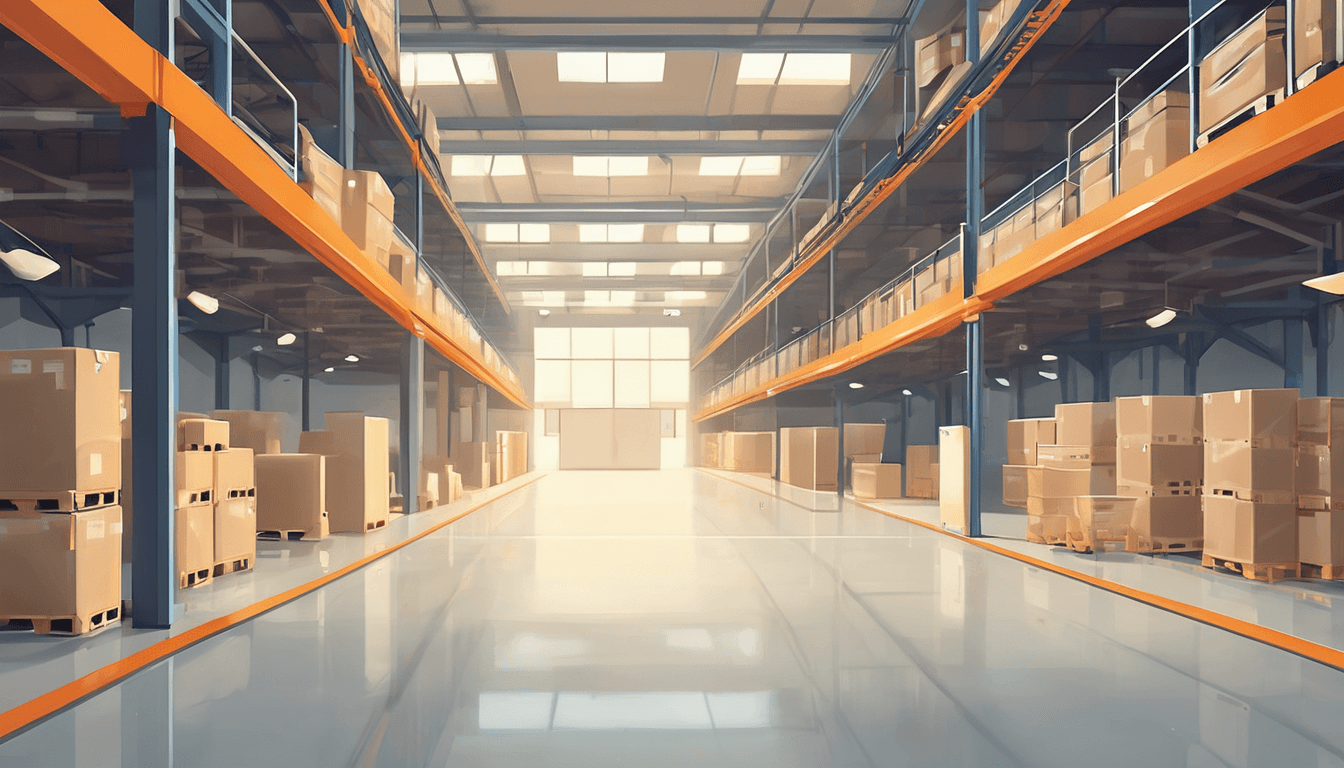
Consider a large logistics hub operating near Brisbane, managing thousands of square metres of hard-floor warehousing. The facility faces constant challenges with dust, debris from pallets, and forklift tyre marks. Manual cleaning crews struggle to keep up, especially with staff turnover and the pressure of 24/7 operations.
By deploying a fleet of Gausium Marvel robots, the facility can schedule daily sweeping and scrubbing routines to run autonomously during quieter periods or overnight. These robots effectively manage the heavy grit and ensure consistently clean aisles. Human staff can then focus on spot cleaning, equipment maintenance, and other value-added tasks. This not only improves facility presentation for visitors and staff but also ensures safer conditions by reducing dust and potential slip hazards, leading to a significant improvement in overall operational efficiency.
Robotec, headquartered in Melbourne, is an authorised Gausium dealer operating across Australia with flexible Purchase, Lease, and RaaS delivery models. This flexibility allows businesses, whether a manufacturing plant on the Gold Coast or a distribution centre in Western Australia, to implement advanced cleaning automation that aligns with their capital expenditure preferences and operational needs. Find out more about flexible options at Robotec Rental or Robotec Purchase.
The Future is Autonomous: Making the Right Investment
For Australian industrial facilities, the question is no longer if autonomous cleaning robots are worth it, but rather how quickly they can be integrated to gain a competitive edge. The benefits extend far beyond just clean floors, encompassing significant cost savings, improved safety records, and a higher, more consistent standard of facility hygiene.
Embracing autonomous cleaning is a strategic decision that positions a facility for future efficiency and compliance. To explore the specific ROI for your operations and to understand which Gausium robot best suits your industrial needs, consider a tailored consultation. You can estimate your potential savings using our quick ROI calculator.